Silage Plastic in Australia’ Driving Sustainability and Innovation in Modern Farming
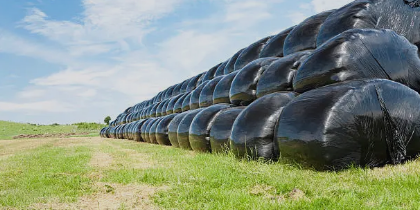
In Australia’s rapidly evolving agricultural landscape, silage plastic plays a pivotal role in preserving fodder quality and supporting sustainable livestock operations. As climate patterns shift and farming costs rise, the demand for efficient, durable, and environmentally responsible silage storage solutions has never been higher. Across the country—from Queensland’s dairy pastures to Victoria’s broadacre farms—producers are turning to advanced silage plastic technologies to safeguard feed quality, reduce spoilage, and enhance profitability while keeping an eye on sustainability.
Understanding the Role of Silage Plastic in Australian Agriculture
Silage plastic is essential for maintaining high-quality feed, especially in regions where pasture growth is seasonal. It provides an airtight barrier that prevents oxygen from spoiling fermented crops, ensuring that livestock receive nutrient-rich feed throughout the year. In Australia, where unpredictable weather events such as droughts and floods can severely impact pasture availability, the reliability of silage storage has become a cornerstone of farm resilience.
Innovation and Technology Shaping Silage Plastic Use
The Australian agricultural industry has been quick to embrace innovation in silage plastic design and manufacturing. Many producers are transitioning from traditional single-layer wraps to multi-layer, oxygen-barrier films that offer greater strength and durability. These high-performance plastics enable tighter sealing, thereby reducing the risk of spoilage and contamination from air or moisture.
Recent advancements in silage plastic technology also focus on sustainability. Several Australian suppliers are now offering recyclable and biodegradable options that help reduce the environmental footprint of silage production. For instance, some innovative wraps are made with up to 30% recycled content while still maintaining the high-performance standards required by Australian farmers. These developments reflect the growing alignment between agricultural efficiency and environmental responsibility.
Additionally, automation and precision farming technologies are influencing the production and packaging of silage. Modern balers and wrapping machines are designed to work seamlessly with specific types of silage plastic, optimising film stretch and reducing waste. As farms scale up their operations, these technological improvements contribute to consistent silage quality and improved cost efficiency across the supply chain.
Environmental Challenges and Recycling Initiatives
While silage plastic offers clear advantages in feed preservation, managing the waste it produces has long been a challenge in Australia. Used film, if not properly disposed of, can accumulate on farms or end up in landfills, posing an environmental hazard. However, new recycling initiatives and national programs are helping to close the loop on agricultural plastics.
Programs such as drumMUSTER and PlasBack have expanded to include silage wrap collection in various regions. These initiatives encourage farmers to clean, collect, and recycle their used silage plastic instead of burning or burying it. Recycled material can then be transformed into durable products, such as outdoor furniture, fence posts, or even new agricultural films.
Australian governments and industry groups are increasingly supporting these efforts through grants and awareness campaigns. With sustainability becoming a priority, the agricultural sector is recognising the importance of reducing plastic waste without compromising operational efficiency.
The Economic Value of Quality Silage Plastic
For many Australian farmers, the decision to invest in premium silage plastic is both practical and economic. High-quality wraps and covers protect silage from oxygen ingress, pests, and UV damage—significantly reducing spoilage and improving feed conversion efficiency. Even a small reduction in feed loss can translate into major cost savings, particularly for dairy and beef producers managing large herds.
In this context, silage plastic is more than just a storage material—it’s an investment in the long-term sustainability and profitability of farming operations. The use of high-performance films allows producers to maintain control over feed quality and availability, especially during challenging seasons or market fluctuations.
Future Directions: Toward a Circular Silage Plastic Economy
The future of silage plastic in Australia lies in closing the loop between use, recovery, and reuse. Manufacturers are working toward developing fully recyclable or biodegradable plastics that do not compromise on durability or performance. Collaborative efforts between farmers, recycling companies, and local councils are paving the way for a circular economy where agricultural plastics are continually repurposed.
Research is also exploring bio-based alternatives made from renewable sources such as starch or cellulose. While these products are still emerging, they hold significant promise for reducing the carbon footprint associated with silage storage. As sustainability standards tighten and consumer expectations evolve, the shift toward greener solutions will likely accelerate.
In the coming years, government policies may also incentivise the use of environmentally responsible silage plastic through rebates or carbon offset programs. Such initiatives could make sustainable options more accessible to smaller farms and encourage broader industry participation.
Conclusion: Silage Plastic as a Catalyst for Sustainable Growth
Australia’s agricultural sector stands at the intersection of tradition and innovation, where efficiency and sustainability must coexist. Silage plastic is a clear example of how the industry is evolving—combining advanced technology, environmental responsibility, and economic value into a single essential product.
From improving feed quality to supporting recycling initiatives, silage plastic is helping to shape a more sustainable and resilient future for farming. As farmers continue to adapt to changing climate conditions and global market demands, the role of silage plastic will only become more critical. Through innovation, collaboration, and conscious material choices, Australia’s agricultural industry is well-positioned to lead the way toward a cleaner, smarter, and more sustainable era of food production.


