Shockwave Therapy in Adelaide’ Fast, Non-Surgical Relief for Chronic Pain and Sports Injuries

shockwave therapy

Shockwave therapy has become one of the most sought-after non-invasive treatments for stubborn musculoskeletal pain, especially for people who have not responded well to traditional physiotherapy. In Adelaide, demand for this treatment has grown rapidly among athletes, office workers, and older adults dealing with chronic tendon and joint issues.

This article explains how shockwave therapy works, what conditions it treats, and why it is increasingly recommended by physiotherapists and sports medicine practitioners in Adelaide.

What Is Shockwave Therapy?

Shockwave therapy (also known as extracorporeal shockwave therapy or ESWT) uses high-energy acoustic waves directed into injured tissues. These sound waves stimulate healing by increasing blood flow, breaking down calcified tissue, and triggering the body’s natural repair mechanisms.

Unlike surgery or long-term medication use, shockwave therapy is non-invasive and typically performed in a clinical setting without anesthesia. Each session usually lasts 10-20 minutes, depending on the condition being treated.

How Shockwave Therapy Works

The treatment delivers controlled pulses of energy into the affected area. This process creates microtrauma in the tissue, which may sound counterintuitive, but it actually activates healing responses in the body.

Key biological effects include:

● Increased circulation and oxygen delivery

● Stimulation of collagen production

● Breakdown of calcified deposits in tendons

● Reduction of pain receptor sensitivity

Because of these effects, shockwave therapy is often used for chronic injuries that have failed to improve with rest or standard physiotherapy alone.

Conditions Commonly Treated in Adelaide Clinics

Clinics offering shockwave therapy in Adelaide commonly treat a range of persistent musculoskeletal conditions, including:

1. Plantar Fasciitis

One of the most common uses. Patients experience sharp heel pain, especially in the morning or after prolonged rest.

2. Achilles Tendinopathy

Often seen in runners and active individuals. Shockwave therapy helps stimulate healing in degenerative tendon tissue.

3. Tennis Elbow (Lateral Epicondylitis)

Pain in the outer elbow is caused by repetitive strain, commonly from work or sports.

4. Shoulder Calcific Tendonitis

Calcium deposits in shoulder tendons can be painful and restrictive. Shockwave therapy helps break down these deposits.

5. Hamstring and Gluteal Tendinopathy

Common in athletes and active adults with overuse injuries.

Benefits of Shockwave Therapy

Patients in Adelaide often choose shockwave therapy because it offers several advantages over more invasive treatments.

Non-surgical and Drug-Free

No incisions, injections, or long-term medication dependence.

Minimal Downtime

Most people return to normal activities immediately after treatment.

Effective for Chronic Conditions

Particularly useful when other therapies have plateaued.

Progressive Healing

Improvement continues over several weeks as tissue repair develops.

In many cases, patients notice reduced pain after just a few sessions, although full recovery timelines vary depending on severity.

What to Expect During Treatment

A typical shockwave therapy session involves:

1. Assessment of the affected area

2. Application of gel to improve wave transmission

3. Delivery of shockwaves using a handheld device

4. Mild discomfort during treatment (often described as tapping or pulsing)

After treatment, some patients may experience mild soreness, similar to post-exercise muscle fatigue, but this usually resolves within 24–48 hours.

Is Shockwave Therapy Right for You?

Shockwave therapy is generally recommended for individuals with chronic injuries lasting longer than 6–12 weeks, especially when:

● Physiotherapy alone has not resolved symptoms

● Pain limits daily activity or exercise

● Imaging shows tendon degeneration or calcification

However, it may not be suitable for everyone. Conditions such as acute infections, blood clotting disorders, or pregnancy may require alternative treatments.

A qualified physiotherapist or sports medicine practitioner will assess suitability before beginning treatment.

Why Adelaide Residents Are Choosing Shockwave Therapy

In a city like Adelaide, where active lifestyles, sports participation, and desk-based work are common, chronic pain conditions are increasingly prevalent.

Clinics report growing demand for non-invasive solutions that allow patients to avoid surgery while still achieving long-term recovery outcomes. This shift has positioned shockwave therapy as a key option in modern rehabilitation programs across Adelaide.

Combining Shockwave Therapy With Rehabilitation

Best results are typically achieved when shockwave therapy is combined with a structured rehabilitation plan. This may include:

● Strengthening exercises for affected tendons

● Mobility and stretching programs

● Load management strategies

● Postural correction for workplace-related injuries

When properly integrated, outcomes are significantly better than with shockwave therapy alone.

Final Thoughts

For individuals struggling with persistent tendon or soft tissue pain, shockwave therapy offers a scientifically supported, non-invasive treatment option that promotes long-term healing rather than temporary symptom relief.

As more clinics in Adelaide adopt this technology, it is becoming a mainstream solution for managing chronic musculoskeletal conditions without surgery or prolonged downtime.

Functional Capacity Assessment Adelaide’ What to Expect from NDIS, WorkCover, and Rehabilitation Evaluations

A functional capacity assessment is a structured evaluation that measures a person’s physical, cognitive, and psychological abilities to perform everyday tasks. In Adelaide, SA, these assessments are commonly used for NDIS applications, WorkCover claims, disability support, and return-to-work planning after injury or illness.

If you are preparing for a functional capacity assessment, understanding how it works can significantly improve your outcomes. In Adelaide, these assessments are typically conducted by occupational therapists or multidisciplinary clinicians who evaluate mobility, self-care, communication, and work-related abilities. The goal is to provide an evidence-based report that supports funding decisions, rehabilitation planning, or workplace adjustments.

This guide explains what happens during an assessment, who needs one in Adelaide, and how to prepare effectively so you can confidently approach the process and understand how your results may be used.

Why Functional Capacity Assessments Are Common in Adelaide

Adelaide has a strong network of allied health providers supporting NDIS participants, injured workers, and individuals recovering from illness. Functional capacity assessment Adelaide services are often required in three main contexts:

● NDIS access or plan reviews to determine the level of support needed

● WorkCover SA claims for workplace injury compensation and return-to-work planning

● Medical or rehabilitation planning for chronic conditions, surgery recovery, or disability support

Clinicians in Adelaide use standardised tools alongside real-world observation. These may include mobility tests, cognitive screening, and task simulations, such as dressing, lifting, or typing, depending on your condition.

The outcome is a detailed report that outlines your strengths, limitations, and recommended supports. This document is then used by case managers, insurers, or NDIS planners to make funding or support decisions.

What Happens During a Functional Capacity Assessment

A typical functional capacity assessment appointment in Adelaide may last between 1 and 3 hours, depending on the complexity. It usually includes the following components:

1. Initial Interview

The clinician will ask about your medical history, injuries, daily routine, employment background, and current difficulties. This helps establish context for your functional limitations.

2. Physical and Functional Testing

You may be asked to perform tasks such as:

● Standing, walking, or balance activities

● Lifting or carrying light to moderate weights

● Fine motor tasks like writing or handling objects

● Simulated daily activities such as dressing or reaching overhead

3. Cognitive and Psychosocial Assessment

If relevant, your assessor may evaluate memory, attention, problem-solving, fatigue levels, or emotional impact on functioning.

4. Environmental and Work Capacity Review

For WorkCover or employment-related cases, the clinician may assess your ability to return to your previous job or identify suitable modified duties.

Throughout the process, the assessor is not trying to “pass or fail” you. Instead, they are documenting your real-world capabilities in a structured and objective way.

How to Prepare for Your Assessment in Adelaide

Preparation can help ensure your functional capacity assessment Adelaide accurately reflects your daily challenges.

Here are practical steps:

● Bring all relevant medical documents, imaging results, and specialist reports

● List your medications and current treatments

● Wear comfortable clothing suitable for movement

● Be honest about your limitations, even on “good days” and “bad days”

● Consider writing down examples of how your condition affects daily life

It is also important to pace yourself before the appointment. Overexertion on the day before or the morning of your assessment can distort results.

Clinicians in Adelaide are trained to account for variability, but clear communication from you helps create a more accurate functional profile.

Who Typically Needs a Functional Capacity Assessment

A functional capacity assessment is commonly recommended for individuals who:

● Are applying for or updating NDIS support

● Have experienced workplace injuries or chronic pain conditions

● Are recovering from surgery, stroke, or neurological conditions

● Need documentation for insurance claims or legal proceedings

● Require workplace adjustments or return-to-work planning

In Adelaide, these assessments are often coordinated by general practitioners, specialists, or case managers who refer patients to occupational therapy clinics or rehabilitation providers.

How Results Are Used in Adelaide’s Support Systems

Once completed, the report from a functional capacity assessment Adelaide plays a critical role in decision-making. It may be used to:

● Determine eligibility for NDIS funding and support levels

● Set WorkCover compensation and rehabilitation goals

● Guide physiotherapy or occupational therapy treatment plans

● Recommend workplace accommodations such as reduced hours or modified duties

The report typically includes recommendations for assistive devices, therapy frequency, and environmental modifications to improve independence and safety.

Because these documents carry significant weight, they are written in clinical language and supported by observable evidence rather than subjective opinion.

Common Misconceptions About Functional Capacity Assessments

Many people in Adelaide feel anxious before their assessment due to misunderstandings. A functional capacity assessment is not designed to catch you out or minimise your condition. Instead, it aims to objectively measure what you can and cannot do at a given point in time.

Another misconception is that results are fixed. In reality, functional capacity can improve with rehabilitation, treatment, or workplace modifications. That is why reassessments are often scheduled over time for NDIS or WorkCover participants.

It is also important to understand that effort matters. Clinicians are trained to observe consistency, but you should always attempt tasks to the best of your ability unless instructed otherwise for safety reasons.

Final Thoughts

A functional capacity assessment Adelaide process is a structured, evidence-based way of understanding how health conditions impact daily life and work ability. Whether you are applying for NDIS support, managing a WorkCover claim, or planning rehabilitation, the assessment provides a clear framework for support decisions.

By understanding what to expect and preparing properly, you can ensure the evaluation reflects your real needs and helps secure appropriate services. In Adelaide’s health and disability support system, this assessment often becomes a key step toward accessing the right care, funding, and long-term independence.

Physio in Port Adelaide’ How Physiotherapy Fixes Desk Job Pain for Local Office Workers

Modern office work in Adelaide, South Australia has created a growing wave of musculoskeletal complaints, especially among professionals who spend long hours seated at desks. From stiff necks to persistent lower back pain, these issues are increasingly common in corporate environments across Port Adelaide and surrounding suburbs. Many workers seek relief through physio in Port Adelaide, where targeted treatment plans are designed to address posture-related strain, repetitive stress injuries, and reduced mobility caused by prolonged sitting.

Physiotherapy plays a crucial role in identifying the root causes of desk job pain rather than just treating symptoms. By assessing posture, movement patterns, and workstation ergonomics, physiotherapists help office workers restore balance to overworked muscles and underused stabilising groups. In Adelaide’s busy professional districts, this approach is becoming essential for maintaining long-term physical well-being and workplace productivity.

Understanding Desk Job Pain and Its Root Causes

A single issue rarely causes desk job pain. Instead, it develops gradually due to a combination of poor posture, static positioning, and repetitive strain. Office workers in Port Adelaide often spend 6–10 hours a day sitting, which places continuous pressure on the lumbar spine, shoulders, and neck.

One of the most common problems is “forward head posture,” in which the head shifts forward of the shoulders due to prolonged screen use. This increases strain on the cervical spine and can lead to chronic tension headaches. Similarly, rounded shoulders and tight chest muscles develop when individuals spend long periods typing or using a mouse without adequate breaks.

In clinics offering physio in Port Adelaide, practitioners frequently see patients with tight hip flexors and weak gluteal muscles, both of which contribute to lower back pain. These imbalances are often the result of prolonged sitting and insufficient movement throughout the day.

Left unaddressed, these issues can progress into more serious conditions such as lumbar disc irritation, shoulder impingement, or chronic myofascial pain syndromes, all of which can significantly impact daily function and work performance.

How Physiotherapy Targets Posture and Muscle Imbalances

Physiotherapy provides a structured and evidence-based approach to correcting desk-related pain. A typical treatment plan begins with a detailed assessment of posture, spinal alignment, and joint mobility. This allows the physiotherapist to identify specific dysfunctions contributing to discomfort.

At the core of treatment is corrective exercise therapy. These exercises are designed to strengthen weak muscle groups—such as the deep core stabilisers and upper back muscles—while stretching tight areas, such as the chest and hip flexors. Over time, this helps restore muscular balance and improve overall posture.

Manual therapy is also commonly used in physio in Port Adelaide clinics. Techniques such as soft tissue massage, joint mobilisation, and myofascial release help reduce muscle tension, improve circulation, and restore normal movement patterns. These interventions can provide immediate relief while supporting long-term recovery.

Ergonomic education is another key component. Physiotherapists often assess the client’s workstation setup, including chair height, monitor position, and keyboard placement. Small adjustments—such as raising a screen to eye level or using lumbar support—can significantly reduce strain during long work hours.

By combining hands-on treatment with active rehabilitation, physiotherapy helps office workers in Adelaide break the cycle of pain and inactivity that often accompanies desk-based jobs.

Exercise Strategies for Long-Term Relief

Sustainable recovery from desk job pain requires consistent movement and strengthening outside of clinic sessions. Physiotherapists typically prescribe home exercise programs tailored to each individual’s condition and lifestyle.

These programs often include mobility drills for the thoracic spine, strengthening exercises for the scapular stabilisers, and core activation work. For example, chin tucks help correct forward head posture, while resistance-band rows strengthen the upper back to counter rounded shoulders.

In physio in Port Adelaide, there is also a strong emphasis on movement breaks throughout the workday. Simple habits such as standing every 30–45 minutes, performing desk stretches, or walking during lunch breaks can dramatically reduce cumulative strain on the body.

Another important strategy is progressive loading. Once pain decreases, physiotherapists gradually increase exercise intensity to build resilience in the affected tissues. This ensures that improvements are not temporary but instead lead to long-term structural adaptation.

By integrating these strategies into daily routines, office workers in Adelaide can significantly reduce the recurrence of pain and improve overall physical performance.

Preventing Recurrence of Pain in the Workplace

Prevention is a central focus of modern physiotherapy, especially for individuals working in sedentary roles. After initial recovery, the goal shifts toward maintaining spinal health and preventing future injury.

Education plays a major role in this phase. Workers are taught how to recognise early warning signs of strain, such as stiffness, reduced range of motion, or mild discomfort after long meetings. Addressing these symptoms early can prevent more serious issues from developing.

Regular check-ins with a physiotherapist can also be beneficial. Many professionals in Adelaide continue to attend occasional physio sessions in Port Adelaide to maintain mobility, refine exercise technique, and adjust their programs as their workload changes.

Workplace wellness strategies are equally important. Employers are increasingly encouraged to promote standing desks, ergonomic assessments, and scheduled movement breaks. These small environmental changes can significantly reduce the overall burden of desk-related musculoskeletal disorders.

Ultimately, physiotherapy empowers office workers not just to recover from pain, but to build a more resilient and sustainable approach to work health. By combining treatment, education, and prevention, individuals can maintain long-term comfort and productivity in demanding office environments across Port Adelaide and the greater Adelaide region.

Home Builders Adelaide’ Designing Climate-Responsive Homes for South Australia’s Changing Weather

home builders Adelaide

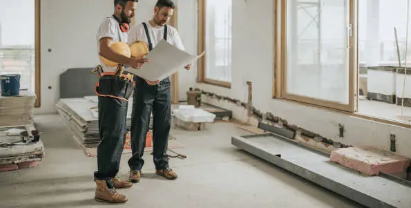
Building a home in South Australia requires careful planning to ensure comfort, durability, and long-term energy efficiency. That is why many homeowners rely on home builders with local experience who understand Adelaide’s unique climate conditions. From hot summers to cool winters, the region’s weather patterns influence how houses should be designed and constructed. Professional home builders, Adelaide residents often trust, focus on climate-responsive strategies that help homes remain comfortable year-round while reducing energy costs.

Understanding Adelaide’s Climate and Its Impact on Home Design

Adelaide experiences a Mediterranean-style climate, characterised by warm to hot summers and cool, mild winters. These conditions can put pressure on homes that are not designed to handle temperature fluctuations efficiently. Without proper insulation, ventilation, and orientation, homes may require excessive heating or cooling.

This is where experienced home builders make a difference. By incorporating climate-responsive design principles, builders can create homes that naturally regulate temperature and improve energy efficiency. These techniques not only enhance indoor comfort but also help lower electricity bills and reduce the environmental footprint.

Local knowledge is especially important because Adelaide’s climate differs from that of other Australian regions. Builders who understand the area can select appropriate materials, layouts, and structural features that work best for South Australian weather patterns.

Passive Solar Design for Year-Round Comfort

One of the most effective strategies used by home builders Adelaide homeowners work with is passive solar design. This approach uses the sun’s natural energy to heat and cool a home without relying heavily on mechanical systems.

For example, builders may position living areas and large windows to face north. In the Southern Hemisphere, this orientation allows homes to capture more sunlight during winter, naturally warming interior spaces. At the same time, carefully designed shading elements such as eaves or pergolas can block excessive sunlight during the summer months.

Thermal mass materials, such as concrete floors or brick walls, can also help regulate indoor temperatures. These materials absorb heat during the day and release it slowly at night, helping maintain a comfortable indoor environment.

Energy-Efficient Insulation and Building Materials

Proper insulation plays a critical role in climate-responsive home design. Adelaide homes must retain warmth in winter while preventing excessive heat from entering in summer.

Professional home builders typically recommend high-quality insulation for roofs, walls, and floors to achieve optimal thermal performance. Modern insulation materials help reduce the need for air conditioning and heating, making homes more energy-efficient.

In addition to insulation, the choice of building materials can influence how a home responds to weather conditions. Light-coloured roofing materials, for example, can reflect heat away from the house, while durable external cladding can withstand Adelaide’s dry conditions and occasional storms.

Builders may also integrate double-glazed windows or energy-efficient glazing systems to improve temperature control inside the home.

Natural Ventilation and Airflow

Effective ventilation is another key feature of climate-responsive homes. During Adelaide’s warm summers, natural airflow can help reduce indoor heat without relying heavily on air conditioning.

Many home builders Adelaide specialists incorporate cross-ventilation into their designs. This means placing windows, doors, and vents in strategic locations to allow fresh air to circulate throughout the house. When designed properly, cross-ventilation can significantly improve indoor comfort.

Ceiling heights, window placement, and open-plan layouts can also enhance airflow throughout the home. These design choices allow warm air to rise and escape while cooler air circulates through living spaces.

By prioritising ventilation during the design stage, builders can create homes that feel naturally cooler even on hot days.

Sustainable Features for Modern Adelaide Homes

Sustainability has become an important consideration for many homeowners in South Australia. Climate-responsive design naturally aligns with environmentally friendly construction practices.

Experienced home builders often incorporate features such as solar panels, rainwater harvesting systems, and energy-efficient appliances into new homes. Solar power is particularly effective in Adelaide because the region has many sunny days throughout the year.

Water-efficient landscaping and drought-tolerant plants are also common additions to new properties. These features help conserve water while maintaining attractive outdoor spaces.

Incorporating sustainability into home construction not only benefits the environment but also improves long-term property value.

Why Local Expertise Matters

Working with local professionals is essential when building a home in South Australia. Adelaide’s planning regulations, building standards, and environmental considerations require specialised knowledge.

Reliable home builders Adelaide residents choose typically have extensive experience working within these guidelines. They understand how to design homes that comply with regulations while also meeting homeowners’ practical needs.

Local builders can also recommend construction methods and materials that perform well in the region’s climate. Their expertise ensures that new homes are built to last while maintaining high levels of comfort and efficiency.

Creating Homes Designed for Adelaide Living

Climate-responsive home design is becoming a priority for homeowners across South Australia. By focusing on orientation, insulation, ventilation, and sustainable materials, builders can create homes that adapt naturally to Adelaide’s weather conditions.

Choosing experienced home builders ensures that every aspect of the construction process is tailored to the local environment. From energy-efficient features to thoughtful architectural planning, these professionals help homeowners build properties that remain comfortable, efficient, and durable for many years.

As Adelaide continues to grow, climate-smart construction will play an increasingly important role in shaping the city’s residential landscape. Homeowners who invest in well-designed, climate-responsive homes can enjoy both long-term savings and a higher quality of living.