Shockwave Therapy in Adelaide’ Fast, Non-Surgical Relief for Chronic Pain and Sports Injuries
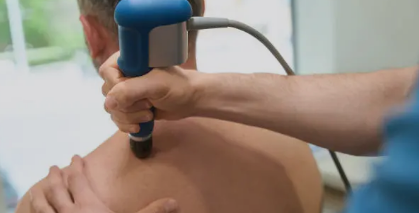
Shockwave therapy has become one of the most sought-after non-invasive treatments for stubborn musculoskeletal pain, especially for people who have not responded well to traditional physiotherapy. In Adelaide, demand for this treatment has grown rapidly among athletes, office workers, and older adults dealing with chronic tendon and joint issues.
This article explains how shockwave therapy works, what conditions it treats, and why it is increasingly recommended by physiotherapists and sports medicine practitioners in Adelaide.
What Is Shockwave Therapy?
Shockwave therapy (also known as extracorporeal shockwave therapy or ESWT) uses high-energy acoustic waves directed into injured tissues. These sound waves stimulate healing by increasing blood flow, breaking down calcified tissue, and triggering the body’s natural repair mechanisms.
Unlike surgery or long-term medication use, shockwave therapy is non-invasive and typically performed in a clinical setting without anesthesia. Each session usually lasts 10-20 minutes, depending on the condition being treated.
How Shockwave Therapy Works
The treatment delivers controlled pulses of energy into the affected area. This process creates microtrauma in the tissue, which may sound counterintuitive, but it actually activates healing responses in the body.
Key biological effects include:
● Increased circulation and oxygen delivery
● Stimulation of collagen production
● Breakdown of calcified deposits in tendons
● Reduction of pain receptor sensitivity
Because of these effects, shockwave therapy is often used for chronic injuries that have failed to improve with rest or standard physiotherapy alone.
Conditions Commonly Treated in Adelaide Clinics
Clinics offering shockwave therapy in Adelaide commonly treat a range of persistent musculoskeletal conditions, including:
1. Plantar Fasciitis
One of the most common uses. Patients experience sharp heel pain, especially in the morning or after prolonged rest.
2. Achilles Tendinopathy
Often seen in runners and active individuals. Shockwave therapy helps stimulate healing in degenerative tendon tissue.
3. Tennis Elbow (Lateral Epicondylitis)
Pain in the outer elbow is caused by repetitive strain, commonly from work or sports.
4. Shoulder Calcific Tendonitis
Calcium deposits in shoulder tendons can be painful and restrictive. Shockwave therapy helps break down these deposits.
5. Hamstring and Gluteal Tendinopathy
Common in athletes and active adults with overuse injuries.
Benefits of Shockwave Therapy
Patients in Adelaide often choose shockwave therapy because it offers several advantages over more invasive treatments.
Non-surgical and Drug-Free
No incisions, injections, or long-term medication dependence.
Minimal Downtime
Most people return to normal activities immediately after treatment.
Effective for Chronic Conditions
Particularly useful when other therapies have plateaued.
Progressive Healing
Improvement continues over several weeks as tissue repair develops.
In many cases, patients notice reduced pain after just a few sessions, although full recovery timelines vary depending on severity.
What to Expect During Treatment
A typical shockwave therapy session involves:
1. Assessment of the affected area
2. Application of gel to improve wave transmission
3. Delivery of shockwaves using a handheld device
4. Mild discomfort during treatment (often described as tapping or pulsing)
After treatment, some patients may experience mild soreness, similar to post-exercise muscle fatigue, but this usually resolves within 24–48 hours.
Is Shockwave Therapy Right for You?
Shockwave therapy is generally recommended for individuals with chronic injuries lasting longer than 6–12 weeks, especially when:
● Physiotherapy alone has not resolved symptoms
● Pain limits daily activity or exercise
● Imaging shows tendon degeneration or calcification
However, it may not be suitable for everyone. Conditions such as acute infections, blood clotting disorders, or pregnancy may require alternative treatments.
A qualified physiotherapist or sports medicine practitioner will assess suitability before beginning treatment.
Why Adelaide Residents Are Choosing Shockwave Therapy
In a city like Adelaide, where active lifestyles, sports participation, and desk-based work are common, chronic pain conditions are increasingly prevalent.
Clinics report growing demand for non-invasive solutions that allow patients to avoid surgery while still achieving long-term recovery outcomes. This shift has positioned shockwave therapy as a key option in modern rehabilitation programs across Adelaide.
Combining Shockwave Therapy With Rehabilitation
Best results are typically achieved when shockwave therapy is combined with a structured rehabilitation plan. This may include:
● Strengthening exercises for affected tendons
● Mobility and stretching programs
● Load management strategies
● Postural correction for workplace-related injuries
When properly integrated, outcomes are significantly better than with shockwave therapy alone.
Final Thoughts
For individuals struggling with persistent tendon or soft tissue pain, shockwave therapy offers a scientifically supported, non-invasive treatment option that promotes long-term healing rather than temporary symptom relief.
As more clinics in Adelaide adopt this technology, it is becoming a mainstream solution for managing chronic musculoskeletal conditions without surgery or prolonged downtime.


