IVDD in Dogs Treatment: Using Muscle Relaxants in IVDD Treatment—Safety and Effectiveness in Portland, OR
Intervertebral Disc Disease (IVDD) is a serious spinal condition that affects many dogs, particularly breeds like Dachshunds, Beagles, and Corgis. For pet owners in Portland, OR, where veterinary care is progressive and highly accessible, exploring all treatment options is essential. Among the various medical interventions available, the use of muscle relaxants in IVDD in dogs treatment is gaining attention. When applied correctly, these medications can significantly contribute to a dog’s comfort and mobility during recovery.
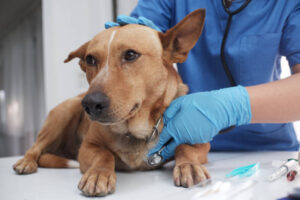
Using muscle relaxants in IVDD in dogs treatment
This article explores the safety and effectiveness of muscle relaxants in IVDD therapy, specifically for Portland dog owners seeking modern, science-backed solutions for their pets.
Why Muscle Relaxants Are Used in IVDD
Muscle spasms are a common symptom in dogs suffering from IVDD. These spasms are typically a response to pain, inflammation, or nerve irritation caused by disc herniation or compression. Muscle relaxants work by reducing involuntary muscle contractions, allowing the spine and surrounding muscles to rest and heal.
In Portland, where veterinary practices emphasise integrative care, muscle relaxants are often part of a broader conservative management plan. This includes crate rest, anti-inflammatory medications, and physical therapy. By easing muscle tension, relaxants help minimise further injury and improve the dog’s overall comfort during recovery.
Common Muscle Relaxants Prescribed
Veterinarians in Portland, OR, commonly prescribe the following muscle relaxants for dogs with IVDD:
- Methocarbamol – One of the most widely used muscle relaxants in dogs. It works centrally (on the nervous system) to relieve muscle spasms without affecting muscle function.
- Diazepam (Valium) – Sometimes used for its muscle relaxant and anti-anxiety properties. It may be prescribed in short-term situations due to its sedative effects.
- Baclofen – Used less frequently due to its narrow margin of safety, but still an option under close veterinary supervision.
These medications are typically prescribed alongside other components of IVDD in dogs treatment to provide multi-modal pain control. In Portland, where holistic and conventional veterinary care often intersect, vets may also recommend supplements or acupuncture alongside pharmaceutical interventions.
Evaluating Safety and Side Effects
Safety is a primary concern when administering any medication. While muscle relaxants can be highly effective, they are not without risks. Side effects may include:
- Sedation or drowsiness
- Weakness or unsteadiness
- Gastrointestinal upset (vomiting or diarrhea)
- Rare allergic reactions
In Portland, OR, pet owners have access to advanced diagnostic and monitoring services. This allows veterinarians to tailor the dosage and type of muscle relaxant specifically to each dog’s weight, age, and severity of IVDD. Regular checkups and lab tests help monitor the pet’s response and catch any adverse effects early.
Responsible use of muscle relaxants under veterinary guidance greatly minimises the chance of complications, making them a safe component of IVDD treatment in dogs.
Are Muscle Relaxants Effective?
The answer is yes—when used appropriately, muscle relaxants can significantly reduce discomfort and enhance mobility. By decreasing muscle spasms, they allow the affected dog to rest more comfortably, which is a cornerstone of recovery.
In Portland’s active dog-loving community, many owners are motivated to help their pets return to normal life as soon as possible. Whether the treatment plan involves surgery or conservative management, muscle relaxants can play a crucial supportive role. They don’t address the root disc issue, but they do alleviate secondary muscular problems that can prolong recovery.
Veterinarians in Portland often report that combining muscle relaxants with crate rest and physical therapy leads to better recovery outcomes. Some clinics also offer laser therapy and underwater treadmill sessions to complement the relaxation and healing of spinal muscles.
Local Access to Treatment in Portland, OR
Portland offers an array of top-rated veterinary clinics, rehab centres, and emergency hospitals familiar with treating IVDD. Whether you’re in downtown Portland, Beaverton, or the Sellwood-Moreland area, specialised care is readily available.
Veterinary practices such as DoveLewis Emergency Animal Hospital, VCA Northwest Veterinary Specialists, and Back on Track Veterinary Rehabilitation Centre often incorporate muscle relaxants into comprehensive treatment plans. Portland residents benefit from a pet-friendly culture that supports advanced veterinary care, making it easier for owners to access the latest therapies.
Conclusion: A Valuable Tool in Comprehensive IVDD Care
Muscle relaxants are not a cure, but they are a valuable part of the puzzle in treating IVDD. For dog owners in Portland, OR, these medications offer a means to reduce suffering and improve recovery outcomes, especially when used in conjunction with other evidence-based therapies.
When considering IVDD in dogs treatment, it’s essential to consult a knowledgeable veterinarian who can tailor a plan that may include muscle relaxants safely and effectively. In Portland, with its advanced pet care infrastructure and emphasis on holistic wellness, your dog has an excellent chance at recovery, even in the face of a challenging diagnosis like IVDD.


