Sustainable Bottles For Supplements
If you are determining a way to reduce your environmental impact, you should look for sustainable bottles for supplements. There are many different options for sustainable bottles. Some options include biobased, biodegradable, and compostable. Learn more about these options. Also, keep in mind that many of these bottles are also recyclable.
Biodegradable
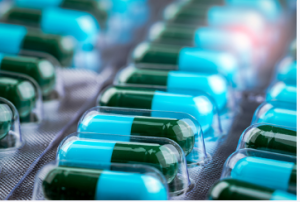 Biodegradable bottles for supplements are recommended to reduce your carbon footprint while providing the nutrition and vitamins you need. Unfortunately, many supplements today are packaged in non-biodegradable plastic bottles, ending in landfills or the ocean. Biodegradable pharmpac-NZ sustainable packaging is made from a biodegradable material that breaks down naturally and can even be used as fertilizer in the garden.
This bottle type has undergone extensive testing in various environments. The material will behave as if it is just a regular plastic bottle and will last beyond the shelf life of the Vegetology supplement. It is tested for safety and has passed four different tests. It is also made from 100% recyclable brown glass, which provides a protective atmosphere. Once the bottle is no longer needed, you can drop it off at a recycling facility.
While many of today’s supplement bottles can be recycled, some bottles cannot be recycled in the environment. Because of this, businesses need to consider their environmental impact when choosing a suitable bottle for their products. Biodegradable bottles are a great option for companies that want to give their customers more options and lower costs.
Compostable
Compostable bottles for supplements can be a great way to save the environment. As plastics become increasingly problematic, companies focus on eco-friendly strategies and solutions. However, while many people focus on recycling water bottles and plastic bags, supplement bottles are just as often discarded. As a result, it is important to use sustainable bottles whenever possible.
For example, Desert Harvest, a company that manufactures nutritional supplements and natural skin care products, is phasing out single-use plastic bottles in its packaging. The company is also introducing compostable bags for its supplements. It will help reduce the company’s carbon footprint. Further, the company’s flagship product, Desert Harvest, will soon be available in plant-based compostable bags.
Sustainable supplement bottles will benefit the environment and help people remember their supplements. They will last for five years and contain a postage-paid label for recycling. In addition, it will make it easier for older patients to remember their medication.
Recyclable
If you’re looking for environmentally-friendly pharmpac-NZ sustainable packaging, you’ve come to the right place. There are many options available to you, including recycled and biodegradable bottles. The type of plastic the bottle is made of will determine whether or not you can recycle it. Typically, most community recycling programs only accept bottles from type #1 or type #2 plastic. Look for a recycling symbol on the label to determine if your bottle can be recycled.
While many pill bottles are recyclable, there are certain restrictions. First, they must meet specific specifications. Second, not all municipalities accept pill bottles as part of the plastic recycling program. Call the sanitation department if you need to learn these requirements in your town. You’ll also need to find out where to drop off empty pill bottles.
Thirdly, look for a brand that is committed to recycling its supplements. Again, some companies are leading the way with their efforts. For instance, Desert Harvest, a company focusing on natural skin care products, is phasing out single-use plastic bottles and introducing pharmpac-NZ sustainable packaging for its supplements.
Biobased
Biobased bottles can be produced from a variety of materials, including bio-paraxylene. This bio-based alternative to conventional plastics has better barrier properties than PET and resists gas diffusion, and the bottles can also be made from other materials, such as cardboard and PEF plastic lining. In addition, bio-based bottles are more sustainable than their fossil-based counterparts.
Currently, the North American region dominates the bio-based paper bottle market. However, the Asia-Pacific region is also experiencing significant gains. This growth is attributed to the increasing focus on sustainability and the availability of raw materials. However, the bio-based paper bottle industry is expected to continue to evolve in the coming years.
The bio-based bottle is suitable for a wide range of products, from organic proteins to weight-loss products. Its low water vapour permeability contributes to a 40 per cent longer shelf life. Furthermore, biobased plastics can be processed on existing filling lines.


