Die cutting is a manufacturing process that offers precise and intricate shapes and designs for a variety of applications. Whether you’re creating custom packaging, marketing materials, or specialty products, die-cutting is the go-to method for producing high-quality, consistent results. In New Zealand, the demand for die-cut products is on the rise due to their versatility, precision, and cost-effectiveness.
This article explores the die-cutting process, its benefits, and its applications in New Zealand. For professional die cut services, click here.
What is Die Cutting?
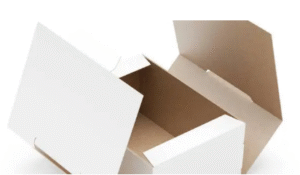 Die cutting is a process where a pre-shaped die is used to cut materials into specific shapes or sizes. This process is commonly applied to materials like paper, cardboard, plastic, rubber, and fabric, making it incredibly versatile. The die is essentially a specialised tool with a sharp edge that presses into the material, cutting it into the desired shape or design. Die cutting is widely used in various industries for mass production, offering both precision and speed.
In New Zealand, die-cutting has become an essential part of the manufacturing and design industries. It allows businesses to create customised products at a high volume without compromising on quality.
Types of die-cutting
There are several types of die cutting, each offering unique advantages significantly depending on the materials and end-use:
Flatbed Die Cutting
Flatbed die cutting is one of the most common forms used in New Zealand. This process involves placing the material on a flat surface, and the die is pressed down onto it to create the desired shape. This method is perfect for thicker materials like cardboard and is used in industries ranging from packaging to signage.
Rotary Die Cutting
Rotary die cutting significantly uses a cylindrical die that rotates and presses against the material fed through the machine. This process is fast, efficient, and suitable for large volumes of thin materials like films and labels. Rotary die cutting is often employed in the production of packaging, decals, and more.
Laser Die Cutting
Laser die cutting significantly uses a high-powered laser beam to cut through materials with incredible precision. While this method is more expensive, it allows for highly detailed and intricate cuts that are not possible with traditional dies. Laser cutting is often used for decorative elements, prototypes, and unique designs.
Why Choose Die Cutting in New Zealand?
Die-cutting is a popular choice for businesses in New Zealand due to its many advantages. Here are some reasons why this process is becoming a staple in various industries:
Precision and Consistency
Die-cutting offers unmatched accuracy. Once a die is created, it can consistently produce the same design with exact precision. It is especially important for large-scale manufacturing projects where consistency is crucial.
Cost-Effectiveness for Large Runs
While the initial setup for die cutting can be costly, it becomes highly cost-effective when producing large quantities of the same design. The process’s efficiency ensures that high volumes of products can be significantly produced quickly and at a lower per-unit cost.
Versatility
Die cutting can be applied to a vast range of materials, including paper, cardboard, plastic, and more. It is also ideal for creating intricate and complex shapes that would be difficult or expensive to successfully achieve with other methods. This versatility is why die-cutting is used across various industries in New Zealand, from packaging to fashion.
Customisation and Branding
Die-cutting allows businesses to create highly customised products that align with their brand identity. Whether it’s custom-shaped packaging, promotional items, or branded labels, die-cutting enables businesses to stand out in the market with unique, eye-catching designs.
The Future of Die Cutting in New Zealand
As industries in New Zealand continue to evolve, so too does the die-cutting process. Advances in technology, such as laser die cutting and digital die cutting, are enhancing the precision and versatility of the process. Moreover, as sustainability becomes way more important to consumers and businesses, die-cutting offers eco-friendly advantages by minimising waste and enabling the significant use of recyclable materials.
Conclusion:
Die cutting is a crucial process in New Zealand’s manufacturing and design industries. With its precision, efficiency, and excellent ability to create highly customisable products, it is the perfect solution for businesses looking to significantly enhance their offerings. From packaging to marketing materials and textiles, die-cutting allows for creative and cost-effective solutions that help businesses stand out.


Comments are closed, but trackbacks and pingbacks are open.