For Australian farmers, selecting the right baler twine is critical to maximising efficiency and protecting valuable crops. Whether you’re baling hay, straw, or silage, the quality and type of baler twine you use can directly affect your equipment’s performance and the durability of your bales. This guide will walk you through everything you need to know about choosing the ideal baler twine for your farm’s specific needs, with a focus on the unique conditions and challenges faced in Australia.
Understanding the Importance of Baler Twine in Australian Farming
Australia’s vast and varied agricultural landscape demands durable, reliable baling materials. The right baler twine must withstand harsh conditions like strong winds, intense sun exposure, and occasional heavy rain, all while maintaining bale integrity during transport and storage.
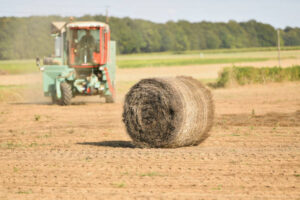
Choosing the right baler twine
Using low-quality twine can lead to tangled machinery, broken bales, or damage during handling — all of which can cost time and money. Therefore, knowing the types and characteristics of baler twine is essential for farmers aiming for high productivity and reduced downtime.
Types of Baler Twine Available in Australia
When selecting baler twine, Australian farmers typically encounter two main materials:
1. Polypropylene (PP) Twine
This is the most common and cost-effective option. Made from synthetic polymers, polypropylene twine offers strong tensile strength and resistance to weathering. It’s lightweight and easy to handle, making it popular across many Australian farms. PP twine is ideal for baling hay and straw, with moderate UV resistance suitable for most storage conditions.
2. Polyethylene (PE) Twine
Though less common than polypropylene, polyethylene twine offers enhanced UV resistance and is more flexible. It’s suitable for balers requiring softer twine that won’t damage crops but still provides good strength.
Farmers should also be aware of biodegradable twine options, which are gaining traction in Australia due to environmental considerations. However, these typically come at a higher price and may not suit all baling situations.
Key Factors to Consider When Choosing Baler Twine
Australian farmers should evaluate several critical factors to ensure they select the best baler twine:
Tensile Strength and Knot Strength
Strong tensile strength prevents twine from snapping during baling, while knot strength ensures the bale remains secure. Look for twine with high tensile and knot strength ratings, particularly if baling dense or heavy crops.
UV Resistance
Australian sun exposure can rapidly degrade low-quality twine. High UV resistance extends the twine’s life, especially important for bales stored outdoors. Twine that resists fading and brittleness will protect your investment.
Twine Diameter and Length
Twine thickness affects durability and knot security. Thicker twine usually means stronger performance, but it may be less compatible with some baler models. Confirm your baler’s twine specifications and choose accordingly. Also, longer twine rolls reduce downtime spent changing spools.
Compatibility with Baling Equipment
Not all twines work with every baler. Some balers require specific twine diameters or materials to avoid jamming or poor knot tying. Always check your baler manufacturer’s recommendations for optimal twine types.
Environmental Considerations for Australian Farmers
Australia’s focus on sustainable farming has led to increased interest in eco-friendly baler twine options. Biodegradable twines, made from plant-based materials or engineered to break down over time, reduce plastic waste in paddocks and landfills.
However, farmers should weigh the cost-benefit: biodegradable twines often come at a premium and may not offer the same strength or UV resistance as synthetic options. Using biodegradable twine in specific contexts—such as for silage that will be composted—can be a good compromise.
Practical Tips for Using Baler Twine Effectively
- Store Twine Properly: Keep twine rolls in a dry, shaded area to preserve their strength and UV resistance.
- Test New Twine: Before committing to bulk purchases, test new twine batches with your baler to ensure smooth operation.
- Maintain Equipment: Regularly clean and service your baler to prevent twine jams and ensure consistent knot tying.
- Monitor Bale Quality: Check bales after tying for firmness and knot integrity to identify any twine issues early.
Where to Buy Quality Baler Twine in Australia
Australian farmers can find baler twine through local agricultural suppliers, farm equipment dealers, and specialised online retailers. Many suppliers offer twine options tailored to regional conditions, such as higher UV protection for northern areas or more heavy-duty twine for large-scale operations.
Buying locally also facilitates quick delivery and support in case of compatibility or performance issues.
Final Thoughts: Make an Informed Choice for Your Farm
Choosing the right baler twine is more than a routine purchase; it’s a strategic decision that impacts crop quality, machine efficiency, and overall profitability. Australian farmers should consider twine material, strength, UV resistance, baler compatibility, and environmental factors before selecting.
By understanding the varieties of baler twine available and aligning your choice with your farm’s specific conditions, you can ensure smooth baling operations and durable, well-secured bales ready for storage or sale.
Investing time in selecting the right baler twine pays off in saved costs, reduced downtime, and improved crop handling — crucial for the success of modern Australian farming.


Comments are closed, but trackbacks and pingbacks are open.