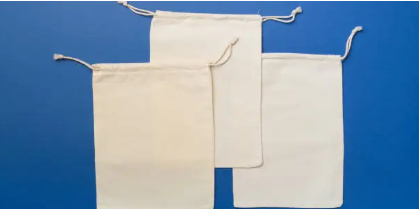
Stockinette Bags’ Essential Solutions for Australian Agriculture and Industry
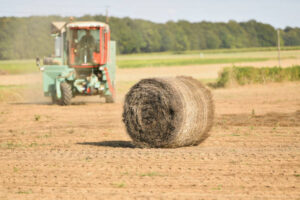
stockinette bags

In Australia, demand for reliable, versatile storage solutions is growing, and stockinette bags have emerged as a staple across both agricultural and industrial sectors. Known for their breathability, durability, and cost-effectiveness, these bags are extensively used for transporting and storing produce, raw materials, and other bulk items. From farmers in Queensland handling fresh vegetables to industrial suppliers in Victoria, stockinette bags offer a practical solution to protect goods while ensuring longevity and sustainability.

Why Australian Farmers Choose Stockinette Bags

Australia’s agriculture sector faces unique challenges, including diverse climates, long transport distances, and strict quality standards. Stockinette bags are ideal for farmers because they allow air circulation, reducing moisture buildup and minimising spoilage of fruits, vegetables, and other perishables. Unlike solid containers, stockinette bags prevent condensation, which is particularly important in tropical regions like Northern Queensland, where high humidity can accelerate decay.

Moreover, these bags are lightweight, flexible, and easy to handle, making harvesting and packing more efficient. Farmers in New South Wales and South Australia often use them for onions, potatoes, and citrus fruits. The durability of modern stockinette bags ensures that even during long transport to urban markets or ports for export, produce arrives in optimal condition.

Industrial Applications Across Australia

Beyond agriculture, stockinette bags are widely adopted in Australian industries for packaging bulk raw materials such as grains, nuts, and even small hardware components. Manufacturers in Victoria and New South Wales rely on these bags for their adaptability—they can be custom-sized to fit a range of product volumes and shapes.

The fabric construction of stockinette bags also provides a protective barrier against dust and debris while remaining lightweight for easy handling. In warehouses and factories, they are often stacked without significant risk of tearing, thereby improving efficiency and reducing replacement costs. Australian businesses increasingly prefer reusable or recyclable stockinette bags to meet environmental standards, aligning with nationwide sustainability initiatives.

Choosing the Right Stockinette Bags in Australia

Selecting the correct type of stockinette bag is critical for maximising performance. Factors such as material quality, mesh size, and bag strength should be considered depending on the application. For instance, a tighter mesh is suitable for smaller fruits like cherry tomatoes, while a larger mesh is better for bulkier items like onions or squash.

Australian suppliers, such as those in Queensland and Victoria, offer a range of stockinette bags that meet local standards, including UV resistance for outdoor storage and reinforced stitching for heavy loads. Businesses are encouraged to source from reputable suppliers who understand local agricultural needs, ensuring the bags withstand Australia’s climate extremes, from hot inland regions to humid coastal zones.

Sustainability and Eco-Friendly Options

Sustainability is increasingly a priority for Australian farmers and industries. Many stockinette bags are now made from recyclable or biodegradable materials, reducing environmental impact. For example, reusable polypropylene stockinette bags help decrease single-use plastics in farming and industrial applications.

By choosing eco-friendly bags, Australian businesses not only comply with government regulations but also appeal to environmentally conscious consumers. This approach is particularly relevant for exporters, as international markets increasingly demand sustainable packaging solutions.

Practical Tips for Using Stockinette Bags

Maximising the benefits of stockinette bags requires proper handling and maintenance. Here are some practical tips for Australian users:

1. Avoid Overloading: Exceeding the recommended weight can lead to tears and reduced airflow.

2. Store in Dry Areas: Keep bags in cool, dry locations to prevent mildew or material weakening.

3. Regular Inspection: Check for holes or wear, especially on reused bags.

4. Label Appropriately: Use tags or markers for efficient inventory management in farms and warehouses.

These simple practices ensure longevity, protect goods, and maintain cost-effectiveness over time.

Conclusion

For Australian agriculture and industry, stockinette bags are more than just packaging—they are an essential tool for efficiency, product protection, and sustainability. Their versatility makes them suitable for a wide range of applications, from fresh produce transport in Queensland to industrial material handling in Victoria. By investing in high-quality, eco-friendly stockinette bags, Australian farmers and businesses can improve product longevity, streamline operations, and support environmental initiatives.

With increasing awareness of sustainability and quality standards, stockinette bags are poised to remain a trusted choice for Australian industries, providing a practical solution that meets both economic and ecological demands.

Stockinette Bags Usage Tips for Efficient Produce Handling and Storage in Australia1

stockinette bags

In Australia’s diverse agricultural landscape, stockinette bags have become a practical and widely used packaging solution for farmers, retailers, and households. From citrus orchards in South Australia to potato farms in Victoria, stockinette bags offer a breathable, flexible, and cost-effective way to store and transport produce. Understanding how to use these bags effectively can significantly improve product quality, reduce waste, and support sustainable practices across the supply chain.

Why Stockinette Bags Are Ideal for Australian Conditions

Australia’s climate varies from humid coastal regions to dry inland areas, making proper ventilation essential for produce storage. Stockinette bags feature an open-weave structure that allows air to circulate freely. This helps prevent moisture build-up, which can lead to spoilage, mould, or premature rotting—common challenges in warmer regions like Queensland and New South Wales.

For example, when storing onions or potatoes, airflow is critical to maintaining freshness. Stockinette bags enable consistent ventilation, reducing the risk of condensation even during temperature fluctuations. This makes them particularly valuable during transport from farms to urban markets.

Choosing the Right Type of Stockinette Bags

Not all stockinette bags are the same, and selecting the right type is essential for optimal performance. In Australia, these bags are commonly made from cotton or synthetic materials such as polyester. Each has its advantages:

● Cotton stockinette bags: Ideal for eco-conscious users, as they are biodegradable and reusable. Suitable for short-term storage and direct-to-consumer sales.

● Synthetic stockinette bags: More durable and better suited for heavy loads like firewood or bulk produce. They also withstand rough handling during transport.

Size selection is equally important. Smaller bags work well for retail packaging of fruits like oranges or lemons, while larger sizes are better for bulk storage in agricultural settings.

Best Practices for Produce Storage

To maximise the effectiveness of stockinette bags, proper handling and storage techniques should be followed:

1. Avoid Overfilling: Overloading the bags restricts airflow and increases pressure on the produce, leading to bruising or damage. Always leave enough space for ventilation.

2. Store in Cool, Dry Areas: While stockinette bags promote airflow, they should still be kept in shaded, well-ventilated environments. This is particularly important in hot regions like the Northern Territory.

3. Separate Produce Types: Different fruits and vegetables release varying levels of ethylene gas, which can accelerate ripening. Use separate stockinette bags to prevent cross-contamination.

4. Regular Inspection: Check stored produce frequently for signs of spoilage. Removing damaged items promptly helps maintain the quality of the rest.

By applying these simple techniques, users can extend shelf life and maintain the visual appeal of their goods.

Applications Beyond Agriculture

While commonly associated with farming, stockinette bags are also widely used in other sectors across Australia. Retailers use them for packaging fresh produce in supermarkets and local markets, while households find them useful for organising pantry items or storing firewood.

In rural communities, stockinette bags are often used for bundling kindling or logs due to their strength and flexibility. Their lightweight nature also reduces transport costs, making them an efficient option for businesses managing logistics across long distances.

Sustainability and Environmental Benefits

Sustainability is a growing priority in Australia, and stockinette bags align well with eco-friendly initiatives. Many suppliers now offer reusable and recyclable options, helping reduce reliance on single-use plastic packaging.

Cotton variants, in particular, appeal to environmentally conscious consumers looking to minimise waste. Even synthetic versions can be reused multiple times, extending their lifecycle and lowering overall environmental impact.

Compliance with Australian Standards

When using stockinette bags for commercial purposes, it’s important to ensure compliance with Australian packaging and food safety standards. Businesses should verify that the materials used are safe for food contact and comply with relevant guidelines.

Labelling is another consideration. For retail distribution, clear labelling of contents, weight, and origin is often required. Stockinette bags can be easily paired with tags or labels to meet these requirements without compromising their functionality.

Enhancing Efficiency in Supply Chains

Efficiency is critical in Australia’s agricultural supply chains, where produce often travels long distances. Stockinette bags contribute to streamlined operations by being easy to handle, stack, and transport.

Their flexibility allows them to conform to the shape of the contents, reducing wasted space during storage and shipping. This is particularly beneficial for exporters and distributors managing high volumes of goods.

Final Thoughts

Stockinette bags are a versatile and practical solution for produce handling and storage across Australia. By selecting the right type, following best practices, and considering environmental and regulatory factors, users can maximise their benefits. Whether you’re a farmer, retailer, or homeowner, integrating stockinette bags into your operations can improve efficiency, reduce waste, and support sustainable practices.

As Australia continues to prioritise quality and sustainability in its agricultural sector, stockinette bags remain a reliable and effective packaging choice for a wide range of applications.

Bale Wrap in Australia: Improving Silage Quality and Farm Efficiency with the Right Wrapping Solutions

bale wrap

Australia’s agricultural industry continues to evolve, driven by the demand for greater efficiency, sustainability, and high-quality feed preservation. Among the many innovations supporting this progress, bale wrap has become a crucial solution for farmers seeking to protect silage, minimise waste, and optimise productivity. More than just plastic film, bale wrap is a critical component in ensuring forage remains nutritious and accessible year-round.

In this article, we will explore how bale wrap is transforming silage preservation in Australia, the benefits it delivers, and the factors farmers should consider when selecting the right wrapping solutions.


The Role of Bale Wrap in Silage Preservation

Silage plays a crucial role in feeding livestock across Australia, particularly in regions where seasonal variability impacts pasture availability. Forage crops, such as grasses, maise, and legumes, are harvested and compacted into bales before being wrapped to create anaerobic conditions. This process prevents oxygen from spoiling the feed and promotes controlled fermentation, thereby maintaining optimal conditions for the fermentation process.


High-quality bale wrap is designed to seal the forage tightly, reducing oxygen penetration and protecting against weather damage, pests, and mould growth. Without effective wrapping, silage can quickly lose nutritional value, ultimately affecting livestock performance and farm profitability.


Why Australian Farmers Rely on Bale Wrap

Australian farmers face unique climatic challenges, including extreme heat and UV radiation, as well as unpredictable rainfall patterns. Bale wrap has become an indispensable tool in adapting to these conditions by:


Preserving feed quality: By locking in nutrients, bale wrap ensures livestock receive consistent, energy-rich forage.

Reducing waste: Properly sealed bales minimise spoilage, helping farmers stretch their resources further.

Boosting flexibility: Wrapped bales can be stored outside, eliminating the need for large silage pits or additional infrastructure.

Supporting efficiency: Farmers can harvest and wrap forage when it’s at peak nutritional value, improving herd health and reducing reliance on purchased feed.


With these advantages, bale wrap supports both small-scale operations and large commercial farms across the nation.


Innovations in Bale Wrap Technology

Over the years, bale wrap has undergone significant advancements, with manufacturers focusing on durability, sustainability, and cost efficiency. Some of the latest innovations shaping the Australian market include:


Multi-layer protection: Modern wraps feature several layers of film to enhance oxygen barriers and mechanical strength.

UV resistance: Specially formulated wraps withstand the harsh Australian sun, ensuring long-term storage without degradation.

High stretchability: Advanced films offer improved elasticity, enabling tighter seals with reduced material usage.

Sustainable options: Biodegradable and recyclable bale wrap products are emerging, aligning with Australia’s broader commitment to reducing plastic waste in agriculture.


These improvements not only extend the shelf life of silage but also provide farmers with peace of mind, knowing that their investment in forage preservation is protected.


Choosing the Right Bale Wrap for Australian Conditions

Not all bale wrap products perform equally under Australia’s diverse farming environments. Selecting the right solution involves considering several factors:

Climate and storage conditions

In areas with intense UV exposure, a bale wrap with potent UV inhibitors is essential. For regions with high rainfall, waterproof properties are crucial in preventing moisture damage.

Bale type and density

Different forage types and baling machines create varying densities. A durable, high-stretch film is necessary for tightly packed bales, while lighter wraps may suffice for softer forage.

Durability vs. cost

While cheaper bale wrap may seem attractive, investing in higher-quality film often reduces spoilage losses, leading to greater savings over time.

Environmental impact

Increasingly, Australian farmers are seeking recyclable or biodegradable bale wrap to reduce their environmental footprint without compromising performance.


By carefully weighing these considerations, farmers can select the most effective wrap for their needs and climate.


Conclusion:

Bale wrap has become much more than a practical solution for storing forage—it is a vital tool that enhances feed quality, improves farm efficiency, and helps Australian farmers navigate the challenges of climate and resource management. By selecting the right bale wrap tailored to local conditions, farmers can safeguard their silage investment, reduce waste, and support long-term sustainability.


As the industry evolves, bale wrap will remain central to Australia’s agricultural success, ensuring that farms of all sizes can provide reliable, high-quality nutrition for their livestock while operating efficiently and sustainably.

Silage Covers: Best Practices for Proper Installation and Maintenance

Ensuring high-quality feed for livestock is a key priority for farmers in Australia, and silage covers play a crucial role in achieving this. Properly installed and maintained silage covers protect stored feed from weather, pests, and contamination while preserving its nutritional value. Following best practices for installation and maintenance not only extends the shelf life of silage but also improves farm efficiency and reduces waste.

The Importance of Proper Silage Cover Installation

Silage is highly susceptible to spoilage when exposed to air, moisture, and pests. Even small gaps or improperly secured covers can compromise feed quality, leading to nutrient loss and increased operational costs. Using high-quality silage covers is essential, but correct installation is equally important. Properly installed covers create a secure barrier that supports anaerobic fermentation, prevents contamination, and ensures livestock have access to safe, nutritious feed.

Selecting the Right Silage Cover

Choosing the appropriate silage cover is the first step in ensuring effective protection. Key considerations include:


  • Material Durability: Select covers made from heavy-duty polyethylene or reinforced tarpaulin that resist tears, punctures, and harsh weather.
  • UV Resistance: Covers with UV protection prevent sunlight from degrading silage nutrients and reduce microbial growth.
  • Oxygen Barrier Properties: Specialized barrier films enhance anaerobic fermentation and minimize spoilage.
  • Ease of Handling: Lightweight, flexible covers are easier to deploy, secure, and remove.
  • Cost-Effectiveness: Investing in a durable, high-quality cover reduces long-term feed losses and operational costs.


By selecting the right silage cover, farmers can maximize protection and maintain feed quality throughout the storage period.

Best Practices for Silage Cover Installation

Proper installation is critical to ensuring silage covers perform effectively. Follow these best practices:


  1. Prepare the Storage Area: Clear the site of rocks, debris, and sharp objects that could puncture the cover. A smooth, level surface ensures a tight seal and reduces air pockets.
  2. Compact the Silage: Proper compaction minimizes air pockets and promotes anaerobic fermentation, reducing spoilage. Use a roller or tractor to evenly compress the silage.
  3. Install the Cover Carefully: Spread the cover evenly over the silage, ensuring it reaches the edges and completely seals the feed. Avoid folding or creasing the material, as this can create weak spots.
  4. Secure the Cover: Use sandbags, weights, or tie-down systems to prevent wind from lifting the cover. Ensure all edges are fastened to create an airtight barrier.
  5. Overlap Multiple Covers: If using more than one cover layer, overlap the sheets and seal seams properly to enhance protection.


Correct installation ensures that silage covers effectively protect feed from air, moisture, and pests, maintaining its quality for longer periods.

Maintaining Silage Covers

Even the best-installed silage covers require regular maintenance to ensure ongoing protection. Key maintenance practices include:


  • Regular Inspections: Check for tears, holes, or gaps caused by wind, animals, or machinery. Early detection prevents contamination and spoilage.
  • Repair Damage Promptly: Patch small tears immediately using specialized repair kits or tape to maintain an airtight seal.
  • Monitor Weights and Fasteners: Ensure sandbags, weights, or tie-downs remain in place and replace any missing or damaged ones.
  • Clean Covers Periodically: Remove debris, dirt, and standing water from the cover surface to prevent microbial growth and prolong cover life.
  • Remove Covers Properly: When accessing silage, lift covers carefully to avoid unnecessary damage. Reposition and reseal after use to maintain protection.


Consistent maintenance ensures that silage covers continue to perform optimally, protecting feed quality and extending shelf life.

Benefits of Proper Installation and Maintenance

Implementing best practices for silage cover installation and maintenance offers multiple advantages:


  • Reduced Feed Loss: Properly covered silage is less likely to spoil, minimizing waste and saving costs.
  • Preserved Nutritional Value: Well-protected feed retains energy, protein, and essential vitamins, supporting livestock health and productivity.
  • Labor Efficiency: Covers that are correctly installed and maintained require less frequent corrective work.
  • Pest and Weather Protection: Effective covers act as barriers against rodents, birds, insects, rain, and sunlight.
  • Enhanced Farm Sustainability: Reducing feed waste and maintaining quality contributes to environmentally responsible farming practices.


These benefits highlight that silage covers are more than just protective sheets—they are a vital investment in farm productivity and feed management.

Conclusion

Silage covers are essential for preserving feed quality, preventing contamination, and improving overall farm efficiency in Australia. Choosing the right material, following best practices for installation, and performing regular maintenance are critical steps to ensure optimal performance.


By properly installing and maintaining silage covers, farmers can extend the shelf life of their feed, reduce waste, preserve nutritional value, and safeguard livestock health. For any farm seeking efficient, cost-effective feed management, investing in high-quality silage covers and adhering to best practices is a smart and sustainable solution.

Bale Wrap: Supports Organic and Regenerative Farming in Australia

Bale Wrap

In Australia’s evolving agricultural landscape, bale wrap has emerged as a vital tool supporting organic and regenerative farming practices. These farming methods, focused on enhancing soil health, biodiversity, and sustainability, require innovative solutions to maintain productivity while respecting the environment. Bale wrap plays a crucial role in preserving high-quality forage, reducing waste, and enabling farmers to manage their resources more effectively. This article explores how bale wrap complements organic and regenerative farming across Australia, helping farmers meet their sustainability goals without compromising yields.


The Rise of Organic and Regenerative Farming in Australia

Australia has seen significant growth in organic and regenerative agriculture as farmers respond to consumer demand for healthier, more sustainable food and the need to restore degraded soils. Regenerative farming emphasises practices such as crop rotation, cover cropping, minimal tillage, and integrated livestock management to build soil fertility and increase biodiversity. Organic farming strictly limits synthetic inputs like pesticides and fertilisers, focusing on natural processes.


Both approaches rely heavily on maintaining healthy pastures and high-quality fodder, as livestock forms an integral part of the farm ecosystem. Here, bale wrap technology becomes indispensable by enabling farmers to store and preserve feed more efficiently throughout the year.


How Bale Wrap Enhances Forage Quality and Feed Management

Bale wrap is a specialised plastic film used to tightly seal baled forage such as hay or silage. By creating an airtight barrier, bale wrap prevents spoilage from oxygen and moisture, preserving the nutritional value of the feed. This is especially important for organic and regenerative farmers who avoid chemical preservatives and rely on natural forage quality.


In Australia’s variable climate, where drought and heat stress can threaten pasture growth, bale wrap allows farmers to harvest surplus forage during favourable periods and store it for leaner times. This ensures consistent, high-quality feed for livestock without relying on synthetic additives or imported feed, aligning perfectly with organic principles.


Supporting Soil Health and Biodiversity Through Reduced Waste

Organic and regenerative farming prioritise soil health, and bale wrap indirectly contributes by minimising waste. Without proper storage, excess forage can spoil quickly, leading to unnecessary land clearing to compensate for feed loss. Using bale wrap reduces this wastage significantly, meaning farmers can maintain more permanent pastures and reduce pressure on fragile ecosystems.


Additionally, by securing nutritious feed for livestock, bale wrap supports rotational grazing strategies common in regenerative systems. Healthy pastures recover faster when grazing pressure is managed, promoting root growth and soil carbon sequestration. This synergy between bale wrap and grazing management ultimately enhances biodiversity both above and below ground.


Environmental Benefits of Bale Wrap Innovations in Australia

The adoption of bale wrap in Australian organic and regenerative farming has coincided with advancements in environmentally friendly materials. Modern bale wrap products increasingly use biodegradable or recyclable plastics, addressing concerns about plastic pollution. Some manufacturers offer bale wrap that breaks down more quickly under UV exposure or can be collected for recycling, reducing the environmental footprint.


These innovations support Australia’s national goals for sustainable farming by balancing the need for effective forage preservation with reducing plastic waste. Farmers adopting regenerative practices can integrate these eco-friendly bale wrap options without compromising their commitment to sustainability.


Practical Considerations for Australian Farmers

Implementing bale wrap in organic and regenerative farms requires attention to detail. Australian farmers must select the right type of bale wrap compatible with their machinery and forage types. Training in wrapping techniques ensures airtight seals to maximise preservation.


Cost considerations are important, but the long-term savings from reduced feed spoilage and improved livestock health make bale wrap a worthwhile investment. Government grants and support programs in Australia often encourage sustainable farm inputs, which may help offset initial costs.


Conclusion: Bale Wrap as a Catalyst for Sustainable Farming

Bale wrap stands as a practical and environmentally aligned solution supporting organic and regenerative farming in Australia. By preserving forage quality, reducing waste, and integrating with soil and livestock management practices, bale wrap enables farmers to enhance productivity sustainably. As Australian agriculture faces climate challenges and increasing sustainability demands, bale wrap technology—especially with evolving eco-friendly materials—will continue to be a cornerstone in building resilient, regenerative farm systems.


For farmers dedicated to nurturing the land while producing high-quality food, bale wrap offers a proven method to bridge the gap between tradition and innovation. Embracing this technology ensures Australian organic and regenerative farms remain productive, sustainable, and profitable for generations to come.

Net Wrap Training Farm Workers to Handle Net Wrap Properly in Australia

Net Wrap

In Australia’s dynamic agricultural landscape, efficient handling of farm materials is key to productivity and sustainability. Among these materials, net wrap plays a vital role in baling hay and silage, ensuring feed quality and storage efficiency. However, improper use or handling of net wrap can lead to costly damages, wastage, and downtime. Therefore, training farm workers to manage net wrap properly is an essential investment for Australian farmers seeking to maximise both efficiency and profitability.


Why Proper Handling of Net Wrap Matters

Net wrap, a specialised plastic mesh used to secure bales, is designed to be durable, lightweight, and weather-resistant. Yet, its benefits can be undermined by careless handling. Poor handling can cause tearing, tangling, or contamination of the net wrap, resulting in wasted material and compromised bale integrity. In the context of Australia’s vast and often remote farms, these issues can escalate, affecting the quality of fodder available for livestock during crucial periods.


Proper training ensures that workers understand not only how to physically handle the net wrap but also why certain techniques matter. This awareness reduces damage and supports smooth, uninterrupted farm operations.


Key Components of Effective Net Wrap Training


1. Understanding the Product

Before workers handle net wrap, they must grasp its function and sensitivity. Training should cover:


  • The structural design of the net wrap and its role in bale formation.
  • Differences between types of net wrap used for hay, silage, and straw.
  • The importance of clean storage and handling environments to prevent contamination.


Knowing the product helps workers appreciate its value and the necessity of careful handling.


2. Correct Handling Techniques

Practical training on handling techniques is crucial. This includes:


  • Proper methods for loading and unloading net wrap rolls to avoid damage.
  • How to feed net wrap correctly into balers, minimising jams and tears.
  • Techniques for cutting and securing net wrap to avoid wastage.
  • Safe transportation methods on-farm to protect net wrap rolls from weather or mechanical damage.


Visual demonstrations and hands-on practice sessions reinforce these techniques effectively.


3. Safety Considerations

Net wrap rolls are often heavy and awkward to manoeuvre. Training must also emphasise:


  • Safe lifting and carrying methods to prevent worker injury.
  • Use of appropriate protective equipment when handling or cutting net wrap.
  • Awareness of machinery hazards associated with net wrap application.


A safe work environment is essential for productivity and worker wellbeing.


Incorporating Technology and Tools

Australian farms increasingly leverage technology to streamline operations. In net wrap handling, this includes:


  • Use of specialised net wrap dispensers or holders to reduce manual handling.
  • Training workers to maintain and troubleshoot baling machinery that uses net wrap.
  • Incorporating digital training modules or videos to complement on-site demonstrations is useful for seasonal or casual workers.


Modern tools not only protect net wrap integrity but also reduce worker fatigue and increase overall efficiency.


Tailoring Training for Australian Farm Conditions

Australia’s diverse climate and farm sizes require adaptable training programs. For instance:


  • In regions with high heat and UV exposure, workers need to understand the importance of protecting net wrap rolls from sun damage.
  • On large-scale operations in remote areas, training may include logistics for safe storage and handling during transport across uneven terrain.
  • For farms focusing on specific livestock, training might highlight how net wrap affects feed quality, influencing animal health and productivity.


Localised training ensures workers can apply best practices that reflect their unique farming environment.


Building a Culture of Continuous Improvement

Training should not be a one-time event. Successful farms foster a culture where workers regularly update skills and share feedback. Strategies include:


  • Scheduled refresher courses before peak baling seasons.
  • Encouraging experienced workers to mentor newcomers.
  • Collecting data on net wrap usage and bale quality to identify training gaps.
  • Recognising and rewarding workers who demonstrate excellent handling practices.


This ongoing focus maintains high standards and helps adapt to evolving farm technologies or materials.


Benefits to Australian Farms

Investing in comprehensive net wrap handling training yields tangible benefits:


  • Reduced Material Waste: Proper handling decreases torn or damaged net wrap, lowering input costs.
  • Improved Bale Quality: Well-secured bales resist weather and pests better, preserving feed nutritional value.
  • Enhanced Worker Safety: Training reduces accidents and injuries related to heavy materials and machinery.
  • Operational Efficiency: Fewer stoppages and machine jams lead to faster baling and transport cycles.
  • Sustainability: Minimising waste contributes to more sustainable farming practices in line with Australian environmental goals.


Conclusion

For Australian farms relying on baled fodder, net wrap is an indispensable component. However, its effectiveness hinges on the skill and care with which it is handled. By implementing structured training programs focused on product knowledge, practical handling skills, safety, and continuous learning, farms can protect this valuable resource. In doing so, they not only boost productivity and reduce costs but also support a safer and more sustainable agricultural industry across Australia.


Properly training farm workers to handle net wrap isn’t just good practice — it’s a smart business strategy for Australian farmers committed to excellence in every aspect of their operations.

Bale Wrap Function, Tradition, and Marketing

In the diverse and demanding landscape of Australian agriculture, every decision farmers make has a direct impact on productivity, efficiency, and long-term profitability. One such decision—often underestimated—is the choice of bale wrap colour. While it may seem purely cosmetic, the colour of bale wrap plays a crucial role in functionality, reflects longstanding agricultural traditions, and even offers opportunities for creative marketing. For Australian farmers, understanding the nuances behind colour selection can help improve fodder preservation, align with local practices, and enhance farm branding.


Functional Differences: How Colour Impacts Bale Performance

Colour choice in bale wrap is more than just visual preference—it directly affects performance. In Australia’s varied climate, where regions can experience blazing heat, high UV levels, and heavy rainfall, the right colour can make a difference in silage quality.


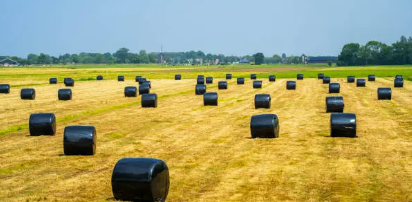
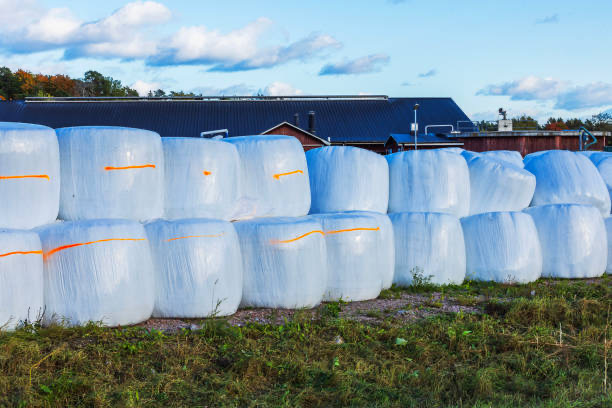
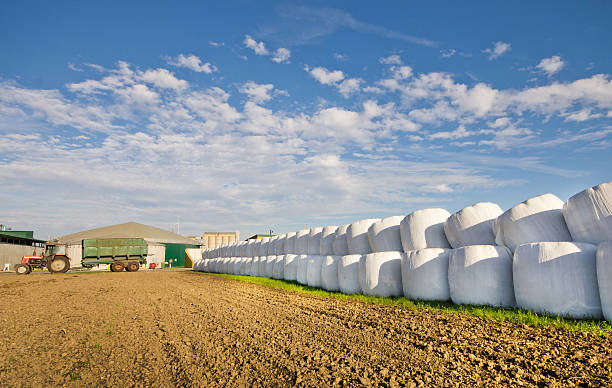
  • White wrap is the most popular choice for reflecting sunlight, keeping bales cooler in the hot summer months, and reducing the risk of heat damage to forage.
  • Black wrap absorbs more heat, which can accelerate fermentation in cooler regions such as Tasmania or high-altitude areas.
  • Green wrap offers a middle ground, with moderate heat absorption and good blending into pasture environments for visual appeal.


Farmers also consider UV resistance ratings, which can vary depending on the pigment used in the bale wrap. A high-quality wrap with strong UV stabilisers can extend the storage life of bales, reducing spoilage and waste—critical in Australia’s unpredictable weather patterns.


Tradition and Regional Preferences Across Australia

Beyond function, colour choices often reflect regional traditions and farmer preferences. In many parts of Victoria and New South Wales, white is seen as the “standard” wrap, reflecting decades of common use and the influence of local suppliers.


Green wrap is more common in dairy-focused regions like Gippsland, where farmers prefer bales to blend into the pasture for both aesthetic reasons and to maintain a tidy farm appearance. Black wrap, while less common in warmer climates, has a strong following in cooler regions, where the extra warmth can aid fermentation during the winter months.


These traditions are often passed down through generations. In rural communities, the sight of certain colours on the roadside can even be a point of pride, signifying the farm’s identity and heritage.


Marketing Potential: Turning Bale Wrap into a Brand Statement

One of the more recent developments in Australia’s agricultural industry is the use of bale wrap as a marketing tool. Coloured wraps—especially pink, blue, or patterned—are increasingly used for fundraising campaigns, brand visibility, or community awareness projects.


For example, some farmers use pink bale wrap to raise awareness for breast cancer research, with proceeds from sales going to charity. Similarly, blue wrap has been used to support prostate cancer initiatives. This turns ordinary paddocks into visible, positive messages for the community, while also showcasing the farmer’s values and involvement.


In addition, forward-thinking agribusinesses are custom-printing logos or slogans onto bale wrap to promote their brand. This transforms the humble silage bale into a mobile billboard that is seen by passers-by, visitors, and even on social media when farmers share photos of their operations.


Environmental Considerations in Colour Selection

With sustainability becoming a priority in Australian agriculture, the environmental impact of colour choice is gaining attention. While the pigment itself has minimal effect on recyclability, the durability and UV resistance of the wrap influence how much waste is generated. A bale wrap that maintains its integrity longer reduces plastic breakage and contamination, making it easier to recycle through programs like PlasBack or drumMUSTER’s silage wrap recycling initiatives.


Choosing a colour that suits the local climate can also indirectly reduce waste by preventing spoilage. For instance, white wrap in Queensland’s heat can keep silage fresher for longer, meaning fewer bales are lost to overheating.


Balancing Function, Tradition, and Innovation

Ultimately, bale wrap colour choice is a balancing act between practical needs, cultural norms, and creative opportunities. A farmer in the Northern Territory facing intense sun might lean toward white wrap for its reflective properties, while a Tasmanian grower may opt for black to speed fermentation during cooler months. Meanwhile, a dairy farm in Victoria might choose green for aesthetics while occasionally switching to pink for charity campaigns.


This mix of functional science, heritage, and modern marketing potential makes colour selection more strategic than it might initially appear. By understanding the impact of colour on performance, respecting local traditions, and embracing innovative uses, Australian farmers can ensure their bale wrap choices contribute to both operational success and community connection.


Final Thoughts

In Australia, bale wrap colour is more than a superficial choice—it is a decision that affects feed quality, reflects agricultural heritage, and can even amplify a farm’s presence in the community. Whether chosen for heat management, local tradition, or bold marketing, the right colour can make a tangible difference in farming outcomes.


From the sun-scorched plains of Queensland to the cool valleys of Tasmania, Australian farmers are increasingly recognising that every roll of wrap is an opportunity—not just to protect their silage, but to make a statement.

Stockinette Bags: Affordable Bulk Packaging Solutions for Agriculture, Retail, and Manufacturing

stockinette bags

In the competitive worlds of agriculture, retail, and manufacturing, businesses are constantly seeking packaging options that balance durability, cost-efficiency, and versatility. Wholesale stockinette bags have emerged as a practical solution, offering an ideal combination of affordability, sustainability, and adaptability. In Australia, their popularity is on the rise as industries recognise the value these simple yet highly functional bags can provide.


What Are Wholesale Stockinette Bags?

stockinette bags

pallet freezer spacers enhancing cold chain efficiency while reducing handling strain

Stockinette bags are knitted fabric bags typically made from cotton or polyester blends. Their soft, stretchable weave makes them an excellent choice for securely containing a wide range of products. Available in bulk through wholesale channels, these bags are exceptionally cost-effective for businesses with high-volume packaging needs.


The wholesale model ensures that companies not only save on per-unit costs but also enjoy consistent quality and supply. In Australia, suppliers cater to various industries, offering custom sizes, colours, and even branding options to suit specific business needs.


Key Benefits for Australian Businesses

Cost-Efficiency in Bulk Purchasing

Purchasing wholesale stockinette bags allows businesses to significantly cut down on packaging expenses. Whether it’s a farm needing thousands of produce bags or a manufacturing facility looking for protective coverings, buying in bulk reduces logistical costs and ensures a steady stock for ongoing operations.

Durability and Flexibility

The knitted design of stockinette bags gives them remarkable strength without compromising flexibility. It makes them suitable for items of varying shapes and sizes, from irregularly shaped vegetables to industrial parts. Their breathable material also helps prevent moisture buildup, which is especially beneficial in agriculture and food handling.


Sustainable Packaging Choice

With sustainability becoming a critical consideration for Australian businesses, stockinette bags—particularly those made from natural fibres—offer an eco-friendly alternative to plastic packaging. Many wholesale suppliers now provide biodegradable and compostable options, aligning with Australia’s push towards reducing landfill waste.


Applications Across Different Industries

Agriculture and Horticulture

One of the largest markets for wholesale stockinette bags in Australia is agriculture. Farmers use these bags to package produce such as potatoes, onions, citrus fruits, and even nuts. The breathable nature of stockinette material helps maintain freshness during storage and transportation, reducing spoilage rates.

Retail and Merchandising

In retail settings, stockinette bags are often used for specialty products that require a rustic, eco-friendly look—such as artisan bread, handmade goods, or gift packaging. Wholesale sourcing enables small and large retailers alike to maintain consistent branding while keeping packaging costs under control.

Manufacturing and Industrial Use

In manufacturing, stockinette bags can be used as protective covers for machinery parts, metal components, or delicate equipment during storage or transit. Their stretchable weave accommodates irregular shapes, while the soft material prevents surface scratches.


Why Australia Is an Ideal Market for Stockinette Bags

Australia’s diverse economy—spanning agriculture, manufacturing, and retail—creates strong demand for versatile packaging solutions. Additionally, the country’s strict biosecurity and sustainability standards drive businesses to choose packaging that is both effective and environmentally responsible.


Wholesale stockinette bags meet these criteria by providing a cost-effective, multipurpose, and often recyclable packaging option. Furthermore, with many Australian suppliers offering locally manufactured products, businesses can benefit from reduced shipping times and a lower carbon footprint.


Factors to Consider When Purchasing Wholesale Stockinette Bags

Material Composition

Businesses should choose between natural cotton, synthetic blends, or biodegradable fibres depending on their specific needs. Cotton offers a softer, eco-friendly option, while synthetic blends provide extra durability and moisture resistance.

Bag Size and Strength

Selecting the right size and weave strength ensures that the bags can handle the intended load without stretching excessively or tearing. Wholesale suppliers typically offer customisable dimensions for different applications.

Supplier Reliability

A dependable supplier is crucial for maintaining consistent stock levels. Australian businesses should look for wholesalers with a proven track record in quality control, timely delivery, and responsive customer service.

Branding Opportunities

Many wholesale stockinette bag suppliers offer printing and dyeing options, enabling businesses to reinforce brand visibility. It is particularly valuable for retail and agricultural businesses looking to stand out in competitive markets.


Conclusion:

From farms in regional Australia to retail stores in bustling city centres, wholesale stockinette bags are proving to be an affordable, durable, and environmentally friendly packaging solution. Their adaptability across agriculture, retail, and manufacturing makes them a wise investment for businesses looking to streamline operations and reduce costs without sacrificing quality or sustainability.

Baler Twine: The Ultimate Guide to Choosing the Right Baler Twine for Australian Farmers

For Australian farmers, selecting the right baler twine is critical to maximising efficiency and protecting valuable crops. Whether you’re baling hay, straw, or silage, the quality and type of baler twine you use can directly affect your equipment’s performance and the durability of your bales. This guide will walk you through everything you need to know about choosing the ideal baler twine for your farm’s specific needs, with a focus on the unique conditions and challenges faced in Australia.


Understanding the Importance of Baler Twine in Australian Farming

Australia’s vast and varied agricultural landscape demands durable, reliable baling materials. The right baler twine must withstand harsh conditions like strong winds, intense sun exposure, and occasional heavy rain, all while maintaining bale integrity during transport and storage.


baler twine

Choosing the right baler twine

Using low-quality twine can lead to tangled machinery, broken bales, or damage during handling — all of which can cost time and money. Therefore, knowing the types and characteristics of baler twine is essential for farmers aiming for high productivity and reduced downtime.


Types of Baler Twine Available in Australia

When selecting baler twine, Australian farmers typically encounter two main materials:


1. Polypropylene (PP) Twine

This is the most common and cost-effective option. Made from synthetic polymers, polypropylene twine offers strong tensile strength and resistance to weathering. It’s lightweight and easy to handle, making it popular across many Australian farms. PP twine is ideal for baling hay and straw, with moderate UV resistance suitable for most storage conditions.


2. Polyethylene (PE) Twine

Though less common than polypropylene, polyethylene twine offers enhanced UV resistance and is more flexible. It’s suitable for balers requiring softer twine that won’t damage crops but still provides good strength.


Farmers should also be aware of biodegradable twine options, which are gaining traction in Australia due to environmental considerations. However, these typically come at a higher price and may not suit all baling situations.


Key Factors to Consider When Choosing Baler Twine

Australian farmers should evaluate several critical factors to ensure they select the best baler twine:


Tensile Strength and Knot Strength

Strong tensile strength prevents twine from snapping during baling, while knot strength ensures the bale remains secure. Look for twine with high tensile and knot strength ratings, particularly if baling dense or heavy crops.


UV Resistance

Australian sun exposure can rapidly degrade low-quality twine. High UV resistance extends the twine’s life, especially important for bales stored outdoors. Twine that resists fading and brittleness will protect your investment.


Twine Diameter and Length

Twine thickness affects durability and knot security. Thicker twine usually means stronger performance, but it may be less compatible with some baler models. Confirm your baler’s twine specifications and choose accordingly. Also, longer twine rolls reduce downtime spent changing spools.


Compatibility with Baling Equipment

Not all twines work with every baler. Some balers require specific twine diameters or materials to avoid jamming or poor knot tying. Always check your baler manufacturer’s recommendations for optimal twine types.


Environmental Considerations for Australian Farmers

Australia’s focus on sustainable farming has led to increased interest in eco-friendly baler twine options. Biodegradable twines, made from plant-based materials or engineered to break down over time, reduce plastic waste in paddocks and landfills.


However, farmers should weigh the cost-benefit: biodegradable twines often come at a premium and may not offer the same strength or UV resistance as synthetic options. Using biodegradable twine in specific contexts—such as for silage that will be composted—can be a good compromise.


Practical Tips for Using Baler Twine Effectively


  1. Store Twine Properly: Keep twine rolls in a dry, shaded area to preserve their strength and UV resistance.
  2. Test New Twine: Before committing to bulk purchases, test new twine batches with your baler to ensure smooth operation.
  3. Maintain Equipment: Regularly clean and service your baler to prevent twine jams and ensure consistent knot tying.
  4. Monitor Bale Quality: Check bales after tying for firmness and knot integrity to identify any twine issues early.


Where to Buy Quality Baler Twine in Australia

Australian farmers can find baler twine through local agricultural suppliers, farm equipment dealers, and specialised online retailers. Many suppliers offer twine options tailored to regional conditions, such as higher UV protection for northern areas or more heavy-duty twine for large-scale operations.


Buying locally also facilitates quick delivery and support in case of compatibility or performance issues.


Final Thoughts: Make an Informed Choice for Your Farm

Choosing the right baler twine is more than a routine purchase; it’s a strategic decision that impacts crop quality, machine efficiency, and overall profitability. Australian farmers should consider twine material, strength, UV resistance, baler compatibility, and environmental factors before selecting.


By understanding the varieties of baler twine available and aligning your choice with your farm’s specific conditions, you can ensure smooth baling operations and durable, well-secured bales ready for storage or sale.


Investing time in selecting the right baler twine pays off in saved costs, reduced downtime, and improved crop handling — crucial for the success of modern Australian farming.