Chemical Consultant: Why Expert Advice Is Essential for Risk Management and Hazard Control
In industries in Australia that handle hazardous substances—such as manufacturing, pharmaceuticals, agriculture, and petrochemicals—risk management and hazard control are critical to ensure safety, regulatory compliance, and operational efficiency. One of the most effective ways to achieve this is through expert advice from seasoned chemical consultants.
Chemical consultants bring in-depth knowledge of chemistry, industrial safety, environmental laws, and technical standards. Their input is essential not only in preventing accidents but also in optimising processes, improving product quality, and maintaining regulatory compliance. In this article, we explore how a chemical consultant expert advice plays a vital role in identifying, managing, and mitigating chemical-related risks.
Understanding the Scope of Risk
 Every business that uses or produces chemicals faces potential risks. These include chemical spills, fire hazards, toxic exposure, contamination, and equipment failure due to chemical incompatibility. Often, companies underestimate the complexity of handling chemicals until they experience an incident.
It is where expert advice becomes invaluable. A chemical consultant evaluates the full scope of risk, from storage and transportation to usage and waste disposal. Their assessment includes reviewing Material Safety Data Sheets (MSDS), identifying potential incompatibilities, and recommending safer alternatives.
Expert Advice That Prevents Accidents
Accidents involving chemicals can have devastating consequences, from human injuries to environmental disasters and financial losses. A chemical consultant’s expert advice helps organisations implement preventive measures before problems occur.
For example, they might recommend:
- Proper labelling and storage systems to avoid cross-contamination
- Ventilation improvements to reduce inhalation risks
- Specific handling protocols for volatile substances
- Up-to-date personal protective equipment (PPE) guidelines for staff
By implementing such expert-recommended strategies, businesses can dramatically reduce the likelihood of chemical accidents in the workplace.
Regulatory Compliance and Legal Protection
Navigating local and international regulations related to chemical handling can be a daunting task. Laws such as OSHA (Occupational Safety and Health Administration), REACH (Registration, Evaluation, Authorisation and Restriction of Chemicals), and EPA (Environmental Protection Agency) requirements are complex and ever-evolving.
Chemical consultants offer expert advice on maintaining compliance with these laws. They help businesses prepare the necessary documentation, conduct audits, and create safety protocols that align with legal requirements. Their guidance also protects companies from penalties, legal disputes, and reputational damage due to non-compliance.
Custom Safety Protocols Based on Expert Insight
One-size-fits-all solutions rarely work in chemical risk management. Each facility has its own layout, workflows, and chemical interactions. Chemical consultants provide tailored chemical consultant expert advice based on a thorough understanding of your specific environment.
They may conduct risk assessments, simulate emergency scenarios, or recommend custom safety drills. These bespoke protocols ensure that every employee knows exactly what to do in case of a leak, spill, or other chemical emergencies. With expert advice, companies are better prepared to respond swiftly and effectively, minimising harm and downtime.
Cost-Efficiency Through Risk Mitigation
Engaging a chemical consultant might seem like an added expense, but in reality, it’s an investment that pays off. Their expert advice can help reduce operational costs by identifying inefficiencies, waste, and high-risk practices.
For example:
- Substituting a hazardous chemical with a safer, cheaper alternative
- Improving waste management practices to cut disposal costs
- Extending equipment lifespan through proper maintenance protocols
- Avoiding downtime and insurance claims due to accidents
These strategic insights not only enhance safety but also contribute to the company’s bottom line.
Supporting Innovation and Product Development
Chemical consultants also provide expert advice during the research and development phase. Whether you’re creating a new product or modifying an existing formula, their input ensures safety, performance, and compliance.
From selecting raw materials to evaluating chemical interactions, their expertise reduces trial-and-error experimentation and accelerates time-to-market. Moreover, they can guide teams on regulatory testing, labelling requirements, and consumer safety considerations, making the product launch smoother and more successful.
Building a Culture of Safety
Beyond protocols and compliance, expert advice from chemical consultants helps foster a culture of safety. Their training programs, workshops, and audits create awareness and accountability among staff. Employees learn to recognise hazards, follow correct procedures, and report issues proactively.
This shift toward a proactive safety culture has long-term benefits—lower injury rates, higher morale, and greater confidence from clients and stakeholders.
Conclusion
In Australia’s complex industrial landscape, chemical risks can’t be left to chance. The value of a chemical consultant expert advice cannot be overstated. From risk assessment and compliance to cost-saving strategies and innovation support, their insights are critical to maintaining a safe, efficient, and legally sound operation.
Whether you’re running a small laboratory or a large-scale manufacturing plant, partnering with a chemical consultant is a smart move. Their role in risk management and hazard control is not just helpful—it’s essential.


 Tauranga has become one of New Zealand’s most attractive cities for both homebuyers and investors. With its stunning coastal views, strong infrastructure, and rapidly growing population, demand for residential and investment properties continues to rise. But with that demand comes volatility — property values can fluctuate significantly depending on location, market timing, and economic conditions.
 NDIS audit support refers to the professional assistance provided to registered disability providers to prepare for, undergo, and respond to audits conducted by the NDIS Quality and Safeguards Commission. These audits are mandatory for providers wishing to deliver services under the NDIS framework, verifying their compliance with the NDIS Practice Standards and other regulatory requirements.
 Given New Zealand’s coastal climate and high UV exposure, outdoor furniture built for weather resilience is a must. Popular materials include:
 Osteopathy is a form of manual therapy that emphasises the interrelationship between the body’s structure and its function. At its core, it operates on the principle that the body can heal itself when its musculoskeletal system is properly aligned and functioning. Unlike conventional medicine, which may focus solely on isolated symptoms, osteopathy addresses the body’s broader mechanics, including joints, muscles, ligaments, and the spine.
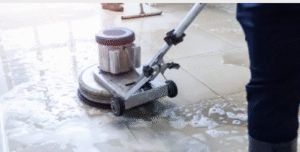 First impressions count. When customers, clients, or staff step into a commercial space, the cleanliness of the floors immediately sets the tone. Dirty, stained, or scuffed floors can leave a negative impression, no matter how impressive the rest of the environment is.