Outdoor Furniture NZ: Creating Stylish and Weather‑Resilient Spaces for Every Kiwi Backyard
New Zealanders cherish their outdoor spaces—whether seaside patios, lush backyard gardens, or compact urban balconies. For 2025, the outdoor furniture market in Aotearoa is embracing innovation, sustainability, and style to meet diverse needs. Here’s how New Zealanders can create durable and stylish outdoor spaces.
Coastal-Ready Materials: Designed for Kiwi Conditions
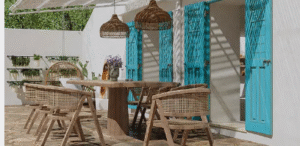 Given New Zealand’s coastal climate and high UV exposure, outdoor furniture built for weather resilience is a must. Popular materials include:
- Powder-coated aluminium: lightweight, rust-resistant, and ideal for shifting around—but avoid bare steel to prevent corrosion
- Teak and eucalyptus: naturally rot-resistant hardwoods that thrive through Kiwi seasons; teak weathers gracefully to a silver-grey patina if left untreated.
- Synthetic rattan/wicker: crafted with UV- and weather-resistant fibres that mimic natural charm while staying low-maintenance.
Selecting the right materials ensures your outdoor furniture remains stylish and sturdy year-round.
Modular & Multifunctional Pieces for Kiwi Lifestyles
With New Zealand homes ranging from roomy gardens to tight urban courtyards, furniture that adapts is in demand:
- Modular sets enable Kiwis to rearrange sofas, chaise lounges, or daybeds according to the occasion.
- Space-saving, multifunctional pieces—such as storage benches or extendable tables—offer versatility in compact backyards.
This flexibility supports everything from relaxed weekend brunches to festive gatherings.
Indoor‑Quality Comfort Outdoors
Bridging indoor comfort with outdoor resilience is a significant trend in Kiwi outdoor furniture:
- Weatherproof cushions and upholstered lounges mimic the luxury of an indoor living room, resistant to rain, mould, and sun.
- Layered textiles—such as fade-proof rugs, throw pillows, and blankets—enhance ambience and comfort, even when the weather turns cool.
These elements yield inviting “rooms under the sky,” extended well beyond summer.
Emphasis on Sustainability & Natural Textures
Kiwi consumers are increasingly eco-conscious, and 2025 trends reflect that:
- Sustainable materials, such as certified teak, recycled aluminium, and bamboo, are gaining popularity in outdoor furniture, as seen in better.
- Natural hues—beiges, stone greys, and olive greens—paired with brighter accents echo both the environment and style.
- Woven textures in furniture add an organic warmth and timeless appeal.
These choices not only deliver visual interest but also support long-lasting, responsible design.
Curves, Comfort & Contemporary Design
Straight lines are out—2025 celebrates curvaceous designs in outdoor furniture:
- Rounded tables, benches, and lounge seating create a relaxed and inviting aesthetic, eliminating sharp edges and making outdoor living more comfortable.
- Curved wicker and rattan evoke vintage charm with a modern twist, blending style and approachability.
These soft profiles foster flow and enhance harmony in outdoor layouts.
Bold Accents & Statement Pieces
Kiwis are adding flair to their outdoor sanctuaries with:
- Striking stripes, scallops, and vividly colored cushions and umbrellas.
- Dramatic patio umbrellas—complete with fringe and pattern—elevate function into focal art installations.
- Swings and hanging benches add movement and stylish indulgence, perfect for relaxation zones.
These accents help personalise spaces and reflect Kiwi individuality.
Outdoor Kitchens & Smart Tech Integration
Outdoor entertaining in New Zealand is reaching new heights:
- Full-scale outdoor kitchens—think built-in barbecues, pizza ovens, and wine fridges—are transforming backyards into alfresco dining hubs.
- Innovative features, such as voice-controlled lighting, heating elements, retractable screens, and automated pergolas, are being seamlessly integrated.
This melding of function, comfort, and convenience defines next-gen Kiwi outdoor living.
Decorating Your Kiwi Outdoor Haven: Expert Tips
- Match furniture to climate: Coastal homes benefit most from aluminium and synthetic weaves; inland gardens can incorporate teak and eucalyptus.
- Opt for modular designs: Space flexibility is key—choose pieces that stack, expand, or store easily.
- Blend textures and tones: Natural, earthy palettes anchored with bold accent pieces reflect both style and sustainability.
- Prioritise comfort: All-weather upholstery and layered furnishings make outdoor rooms as inviting as interior living spaces.
- Infuse personality: Statement items, such as hanging swings or vibrant umbrellas, bring charm and flair.
- Factor in functionality: Planning smart tech or outdoor cooking areas can elevate utility and user experience.
- Think long-term: Quality materials and repairable designs reduce waste and increase enjoyment over the years.
Conclusion:
For modern Kiwi backyards, outdoor furniture is more than just chairs and tables—it’s a way of life. With the right choices, you can build stylish, resilient, and eco-friendly settings that reflect both personal taste and Aotearoa’s outdoor spirit. Embrace modular flexibility, premium materials, curved aesthetics, and quality craftsmanship to create outdoor living areas that will stand the test of time and weather.


 Osteopathy is a form of manual therapy that emphasises the interrelationship between the body’s structure and its function. At its core, it operates on the principle that the body can heal itself when its musculoskeletal system is properly aligned and functioning. Unlike conventional medicine, which may focus solely on isolated symptoms, osteopathy addresses the body’s broader mechanics, including joints, muscles, ligaments, and the spine.
 First impressions count. When customers, clients, or staff step into a commercial space, the cleanliness of the floors immediately sets the tone. Dirty, stained, or scuffed floors can leave a negative impression, no matter how impressive the rest of the environment is.
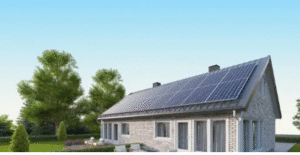 Adelaide is one of Australia’s sunniest capital cities, receiving more than 2,500 hours of sunshine per year. It makes it an optimal location for solar energy generation. The abundant sunshine allows solar panel systems to produce significant electricity, reducing dependency on the grid and lowering energy bills.
 New Zealand’s expansive coastline, consistent winds, and varied marine environments provide the perfect playground for foiling. From the glassy harbours of the North Island to the wild swells of the South Island, every region offers something unique. Local water sports communities in places like Raglan, Mount Maunganui, and Christchurch have embraced foiling, supported by a growing network of retailers, instructors, and gear manufacturers.