Office Electrical Fitouts Adelaide: Why Proper Office Electrical Fitouts Are Crucial for Workplace Efficiency

In today’s fast-paced business environment, workplace efficiency is more than just a buzzword—it’s a necessity. While many companies in Adelaide focus on streamlining operations, improving workflows, and enhancing digital tools, one often overlooked aspect of productivity is office electrical fitouts. From power distribution and lighting to data cabling and energy efficiency, having a professionally planned and executed electrical fitout is essential for a modern, functional, and high-performing workspace.

What Are Office Electrical Fitouts?
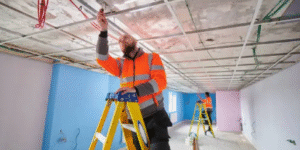
office electrical fitoutsOffice electrical fitouts refer to the process of designing and installing all electrical components in a workplace, including power points, lighting systems, switchboards, cabling for computers and phones, safety systems, and energy-saving devices. Whether it’s a brand-new office setup or a refurbishment, a well-executed electrical fitout ensures that all systems work together seamlessly to support daily operations.

Enhancing Productivity Through Smart Design

One of the main reasons why proper office electrical fitouts are vital is their direct impact on workplace productivity. Poorly placed power outlets, outdated wiring, or inefficient lighting can hinder employee performance and create unnecessary distractions. On the other hand, a thoughtfully designed electrical layout can:

  • Ensure sufficient and accessible power supply for all devices
  • Provide optimal lighting for various work zones
  • Support advanced technology and connectivity requirements
  • Allow for better organisation and workflow

For instance, installing task lighting in workstations, motion-sensor lighting in common areas, and dedicated circuits for high-powered equipment can significantly enhance the efficiency of a team’s operations throughout the day.

Supporting Technology and Connectivity

In a digital-first work culture, reliable access to electricity and connectivity is non-negotiable. Office electrical fitouts must account for the growing reliance on computers, printers, video conferencing systems, smartboards, and other connected devices. Poor cabling or limited power points can result in frequent downtimes and frustrating technical glitches.

Modern electrical fitouts incorporate structured data cabling, surge protection, and backup power solutions, including uninterruptible power supplies (UPS), to ensure seamless connectivity. With the right infrastructure in place, businesses can avoid interruptions and maintain a consistent, productive work environment.

Safety First: Minimising Hazards

Workplace safety is a critical concern, and office electrical fitouts play a key role in ensuring it. Old wiring, overloaded circuits, or unplanned installations can pose serious fire hazards and lead to costly repairs or even injuries. Investing in a professional electrical fitout minimises these risks by ensuring that all components meet regulatory standards and are safely installed by qualified electricians.

Adapting to Business Growth and Flexibility

As businesses grow, their power and tech needs also evolve. One of the key advantages of quality office electrical fitouts is flexibility. A scalable electrical system can adapt to changing team sizes, additional workstations, or new technologies without requiring a complete overhaul.

Fitouts that incorporate modular design, accessible cabling, and additional capacity for future needs make it easier to expand without significant disruptions. This kind of forward-thinking planning saves both time and money in the long run.

Energy Efficiency and Sustainability

With a growing emphasis on sustainability, businesses in Adelaide are seeking ways to reduce their carbon footprint. Modern office electrical fitouts often incorporate energy-efficient lighting systems, smart thermostats, and energy monitoring solutions. These features not only help reduce utility costs but also demonstrate a company’s commitment to environmental responsibility.

LED lighting, occupancy sensors, and automated systems can all contribute to a more sustainable workplace while still enhancing employee comfort and productivity.

Professional Fitouts vs. DIY Solutions

While it may be tempting to cut costs by opting for a DIY approach or hiring general contractors, the importance of working with experienced professionals for office electrical fitouts cannot be overstated. Certified electricians are knowledgeable about building codes, load requirements, and best practices for installing efficient, safe, and future-ready electrical systems.

By investing in expert services, you ensure that your office meets compliance standards, minimises downtime, and delivers the optimal environment for your team to thrive.

Final Thoughts

In summary, office electrical fitouts are the backbone of a functional, efficient, and safe workplace. From powering everyday operations and supporting tech infrastructure to enhancing safety and enabling future growth, a professional electrical fitout offers long-term value that far outweighs its initial cost.

If you’re planning a new office, renovating your current space, or simply looking to improve workplace efficiency, investing in a proper electrical fitout is a smart and strategic decision. Not only will it boost productivity and safety, but it will also position your business for sustained growth in an increasingly competitive market.

New Home Builder Adelaide: When to Hire a Builder vs. Renovation Contractor

In Adelaide’s ever-evolving property market, the choice between building a brand-new home and renovating an existing property can significantly impact your lifestyle, finances, and future resale value. Whether you’re eyeing an empty block in the suburbs or considering updating a charming heritage home, understanding when to engage a new home builder in Adelaide professional versus a renovation contractor is essential. Each role serves a unique purpose, and choosing the right one can make all the difference in achieving your vision.


Defining the Roles: Builder vs. Renovator

New Home Builder Adelaide

Hire a new home builder

A new home builder Adelaide typically manages projects from the ground up. They deal with everything from land assessment and council approvals to architectural planning and construction. Their goal is to deliver a fully constructed residence based on your specifications.


On the other hand, a renovation contractor focuses on modifying or upgrading existing structures. Their expertise lies in adapting what already exists — whether that’s restoring an old Queenslander in Norwood or opening up a living space in an inner-city townhouse.


While both roles require construction knowledge, the scope, logistics, and challenges differ significantly.


When to Choose a New Home Builder

Opting for a new build makes sense under several key conditions. If you’ve recently purchased vacant land or plan to demolish a current property in Adelaide’s expanding suburbs like Mount Barker or Golden Grove, hiring a new home builder in Adelaide is the most logical choice.


New builds offer the benefit of designing a home that perfectly fits your needs from day one. Modern building standards, energy-efficient designs, and smart home integrations are easier to implement during new construction. You’ll also enjoy lower ongoing maintenance costs since everything — from the plumbing to the roof — is brand new.


A home builder also simplifies coordination. Rather than dealing with multiple subcontractors, you’ll typically have one point of contact managing the entire build process.


When Renovation Is the Right Move

Renovating is ideal when your existing property already has “good bones” or sits in a desirable, tightly held suburb like Unley or Glenelg, where land is scarce. Renovation contractors are skilled at blending the old with the new — upgrading kitchens, extending living areas, or preserving period features while enhancing functionality.


If your goal is to increase the value of a well-located property or adapt your home to suit growing family needs without the disruption of relocating, a renovation is often the more practical route. It can also be more cost-effective, particularly if you’re targeting specific areas of improvement rather than full structural changes.


However, be cautious: Adelaide’s older homes can sometimes conceal challenges such as asbestos, outdated wiring, or unstable foundations, which may escalate renovation costs and timelines.


Cost Considerations and Timeframes

Cost is one of the biggest factors homeowners weigh when deciding between a new home builder Adelaide and a renovation contractor. While new builds typically have a higher upfront cost, they provide greater long-term savings through modern efficiencies, warranty protections, and less need for repairs.


Renovations, although potentially cheaper in the short term, can be unpredictable. Unforeseen structural issues, council delays, or compliance with heritage overlays can cause budgets to blow out. That said, minor or targeted upgrades can deliver significant ROI, especially in Adelaide’s established suburbs where charm and location go hand in hand.


Timeframes also differ. A new home build can take anywhere from 6 to 12 months, depending on complexity and council approvals. Renovations vary widely — a simple kitchen update may take weeks, while a full home overhaul can stretch for months.


Council and Compliance Factors in Adelaide

Navigating Adelaide’s planning and development regulations is crucial regardless of your decision. A new home builder in Adelaide is usually well-versed in local zoning laws, bushfire regulations (especially in areas like the Adelaide Hills), and stormwater management codes, offering streamlined approval processes.


Renovation contractors, particularly those experienced in heritage zones such as North Adelaide, understand the delicate requirements of preserving façades or complying with character overlay restrictions. Choosing a local contractor with Adelaide-specific knowledge ensures smoother progress with the local council and better alignment with South Australia’s construction standards.


Making the Final Decision

Ultimately, the choice comes down to your goals, budget, and timeline. If you’re dreaming of a custom-designed space with modern finishes and minimal maintenance, a new home builder Adelaide is your go-to partner. If you’re emotionally attached to your current home or wish to preserve the historical character of a property, a skilled renovation contractor will help bring your vision to life.


Consulting with both types of professionals early in your planning process can help clarify feasibility, costs, and expectations. In some cases, a hybrid approach — partial demolition with a major renovation — may be the best of both worlds.


Conclusion

Whether you build new or renovate old, aligning with the right expert is critical for a smooth and rewarding experience. By understanding the differences and knowing when to hire a new home builder Adelaide versus a renovation contractor, you’ll be better equipped to invest wisely and create a home that suits your lifestyle, now and in the future.

Tree Removal Adelaide Hills: The Hidden Dangers of Damaged Trees and the Urgent Need for Removal

Trees are vital components of our environment, providing shade, improving air quality, and enhancing the aesthetic appeal of our neighbourhoods. However, when trees become damaged—whether due to storms, disease, or accidents—they can pose significant risks that many homeowners and property managers in the Adelaide Hills may overlook; understanding these hidden dangers is crucial, and often, the only safe solution is emergency tree removal.

Why Damaged Trees Are a Serious Concern

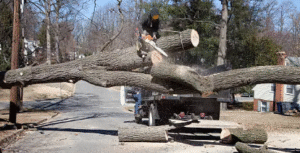
emergency tree removalDamaged trees may appear harmless at first glance, but the reality is far more dangerous. Cracks, broken limbs, weakened roots, or fungal infections can compromise a tree’s stability. When trees lose their structural integrity, they become ticking time bombs, ready to fall unexpectedly, especially during adverse weather conditions.

Structural Weakness and Unexpected Falls

A tree weakened by damage has a much higher chance of toppling over. High winds, heavy rains, or even a minor storm can cause such trees to fall without warning. These falling trees or large limbs can damage homes, vehicles, and power lines or injure people. The danger isn’t just limited to the moment of collapse; weakened trees also create ongoing hazards as they continue to deteriorate.

Risk to Property and Infrastructure

Damaged trees near buildings, fences, and other infrastructure pose a significant risk to these structures. A large branch crashing through a window or roof can cause costly repairs and put residents in danger. Additionally, falling trees can block driveways or roads, complicating emergency access and daily activities.

Threat to Power Lines and Utilities

Trees in contact with or close to power lines are especially hazardous if they become damaged. Broken branches or entire trees can knock out power, cause fires, or even electrocute anyone nearby. Utility companies often urge homeowners to report trees that appear unsafe, and swift emergency tree removal is essential to prevent outages and accidents.

Hidden Health Hazards

Beyond the physical risks, damaged trees can also harbour pests and diseases. A compromised tree is more susceptible to infestations from insects like termites or beetles, which can spread to other healthy trees or nearby wooden structures. Fungal infections can weaken trees internally, making their hazard less visible until it’s too late.

Why Emergency Tree Removal Is Crucial

When a tree is damaged to the point that it poses an immediate threat, waiting for a routine removal could have disastrous consequences. It is where emergency tree removal comes into play. Unlike scheduled tree care, emergency services prioritise quick response to mitigate imminent dangers.

Rapid Response Saves Lives and Property

In many cases, emergency tree removal is necessary after severe weather events such as hurricanes, tornadoes, or heavy storms. Damaged trees after such events are unpredictable and dangerous. Professional emergency removal teams have the equipment and expertise to safely cut down and remove hazardous trees before they cause harm

Preventing Further Damage and Costs

Delaying the removal of a damaged tree often leads to more extensive damage. For example, a weakened tree left standing may fall on your home or car during the next storm, resulting in expensive insurance claims and repair bills. Emergency removal is an investment that can save substantial money and stress in the long run.

Protecting Public Safety

Emergency tree removal is also critical in public spaces such as parks, schools, and along streets. Fallen trees or large branches can block sidewalks and roads, creating hazards for pedestrians and drivers. Municipalities and property owners are often legally responsible for maintaining safe environments, making prompt removal a crucial requirement.

Choosing the Right Emergency Tree Removal Service

Emergency tree removal is not a job for the DIY enthusiast. It requires professional expertise, proper equipment, and adherence to safety protocols to safely handle dangerous trees without causing further harm.

Conclusion

Damaged trees can be deceptively dangerous. Their hidden weaknesses pose a threat to lives, property, and public safety, particularly during storms or high winds. Recognising the risks and acting quickly with emergency tree removal is the best way to prevent disaster. If you suspect a tree on your property is damaged, don’t wait—contact a professional emergency tree removal service immediately to protect your home, family, and community.

Physio Findon: The Crucial Support Role of Physiotherapy Assistants

In the vibrant suburb of Findon, SA, where community well-being is a paramount concern, physiotherapy assistants quietly carry out indispensable work. With physio Findon recognised as a central pillar of accessible care, these professionals provide essential support in clinical settings, through home visits, and through community outreach. From bolstering local physiotherapists in Beverley to promoting recovery across the region, their contributions are both profound and multifaceted.


1. Strengthening local physio teams in Beverley clinics

Physio Findon

Physiotherapy assistants providing crucial support

Physiotherapy assistants in Beverley play a vital role within Findon-based physio clinics. Under a physiotherapist’s direction, they prepare treatment rooms, set up exercise equipment, and guide clients through safe execution of therapeutic exercises.


By ensuring that every session runs smoothly—whether it’s aquatic therapy setup at a Findon pool or land-based rehab in the clinic—they allow physiotherapists to focus on advanced assessment and customised plans. This teamwork enhances clinic efficiency and significantly improves patient satisfaction, particularly for elderly or post-surgical clients in our community.


2. Enhancing patient outcomes through education & encouragement

One unique strength of physiotherapy assistants is their ability to build rapport and foster motivation, an often-overlooked yet crucial element of successful rehabilitation. Assisting with home exercise programs, they reinforce correct technique, provide feedback, and help set realistic milestones.


In Findon’s Beverley neighbourhood, where individual care feels personal, assistants may follow up with patients over the phone or during community group classes. Their hands-on encouragement ensures adherence to exercises, which directly correlates with improved mobility, reduced pain, and faster recovery.


3. Enabling better continuity of care at home and in the community

Recovery often extends beyond clinic walls. Physiotherapy assistants hold a pivotal support role by visiting local residences in Beverley to help clients perform prescribed exercises, adapting the environment to enhance safety, and alerting physiotherapists to potential issues.


At community events—such as Findon’s senior wellness fairs—they facilitate large-group education sessions on fall prevention, posture maintenance, or joint protection strategies. This extension of care helps build stronger ties between clinics, community centres, and residents, fostering a proactive health culture across the Beverley area.


4. Supporting specialised services: paediatrics to aged care

In Beverley, the spectrum of local patient needs spans from newborns to seniors, requiring flexible skill sets. Assisted by physiotherapy assistants, paediatric physiotherapists can run play-based developmental therapy sessions at Findon daycare centres, fostering motor skills and sensory integration.


Meanwhile, aged care clients benefit from tailored balance and strength training programs conducted by assistants under the supervision of professionals. Because assistants often spend more time guiding repetitive exercises than physiotherapists can, they contribute significantly to maintaining and improving functional independence in older adults across the suburb.


5. Promoting efficient service delivery in busy clinics

Workload management is a constant challenge for busy practices in Beverley. Physiotherapy assistants streamline service delivery by overseeing administrative duties, such as scheduling, outcome tracking, and equipment cleaning, and managing group classes for conditions like arthritis or chronic back pain.


This operational support alleviates pressure on physiotherapists, allowing clinics in Findon to operate at a greater capacity without compromising quality. Ultimately, improved productivity means reduced wait times and better access to care for all Local patients.


6. Their role in professional development and clinic culture

Beyond hands-on duties, physiotherapy assistants contribute to the development of a positive clinic culture. In many Findon-based practices, assistants mentor incoming staff, share insights about local patient concerns, and help coordinate in‑house training sessions.


Their close working relationship with both clients and physiotherapists enables them to provide practical feedback in team meetings, enhancing service delivery, raising clinical standards, and fostering a more cohesive and confident practice culture in Beverley.


7. Future opportunities and evolving responsibilities

With healthcare systems evolving, physiotherapy assistants in Beverley are poised to take on expanded roles. Current trials around telerehabilitation and digital health could see trained assistants in Findon helping patients connect remotely, monitor progress with wearable sensors, or deliver virtual exercise classes.


As the demand for allied health services grows in Beverley and neighbouring suburbs, the role of assistants is likely to grow stronger, playing a strategic part in delivering efficient, value-based care.


Conclusion: A key partner in local health delivery

In conclusion, the presence of physiotherapy assistants in Beverley clinics—whether in land‑based settings, home environments, or community programs—is instrumental to the success of local physiotherapy services, including physio Findon.


Their contributions to operational efficiency, patient adherence, education, and community engagement cannot be overstated. By serving as the supportive link between patients and physiotherapists, they greatly enhance the delivery of high-quality, accessible care throughout Findon and the surrounding Beverley area.


As the healthcare landscape in South Australia continues to adapt, acknowledging and investing in the development of strong physiotherapy assistant roles will be vital. Their practical impact on everyday clinic operations and patient outcomes proves that they are not just support staff—they are essential partners in promoting the health and well-being of the Beverley community.

Baler Twine: The Ultimate Guide to Choosing the Right Baler Twine for Australian Farmers

For Australian farmers, selecting the right baler twine is critical to maximising efficiency and protecting valuable crops. Whether you’re baling hay, straw, or silage, the quality and type of baler twine you use can directly affect your equipment’s performance and the durability of your bales. This guide will walk you through everything you need to know about choosing the ideal baler twine for your farm’s specific needs, with a focus on the unique conditions and challenges faced in Australia.


Understanding the Importance of Baler Twine in Australian Farming

Australia’s vast and varied agricultural landscape demands durable, reliable baling materials. The right baler twine must withstand harsh conditions like strong winds, intense sun exposure, and occasional heavy rain, all while maintaining bale integrity during transport and storage.


baler twine

Choosing the right baler twine

Using low-quality twine can lead to tangled machinery, broken bales, or damage during handling — all of which can cost time and money. Therefore, knowing the types and characteristics of baler twine is essential for farmers aiming for high productivity and reduced downtime.


Types of Baler Twine Available in Australia

When selecting baler twine, Australian farmers typically encounter two main materials:


1. Polypropylene (PP) Twine

This is the most common and cost-effective option. Made from synthetic polymers, polypropylene twine offers strong tensile strength and resistance to weathering. It’s lightweight and easy to handle, making it popular across many Australian farms. PP twine is ideal for baling hay and straw, with moderate UV resistance suitable for most storage conditions.


2. Polyethylene (PE) Twine

Though less common than polypropylene, polyethylene twine offers enhanced UV resistance and is more flexible. It’s suitable for balers requiring softer twine that won’t damage crops but still provides good strength.


Farmers should also be aware of biodegradable twine options, which are gaining traction in Australia due to environmental considerations. However, these typically come at a higher price and may not suit all baling situations.


Key Factors to Consider When Choosing Baler Twine

Australian farmers should evaluate several critical factors to ensure they select the best baler twine:


Tensile Strength and Knot Strength

Strong tensile strength prevents twine from snapping during baling, while knot strength ensures the bale remains secure. Look for twine with high tensile and knot strength ratings, particularly if baling dense or heavy crops.


UV Resistance

Australian sun exposure can rapidly degrade low-quality twine. High UV resistance extends the twine’s life, especially important for bales stored outdoors. Twine that resists fading and brittleness will protect your investment.


Twine Diameter and Length

Twine thickness affects durability and knot security. Thicker twine usually means stronger performance, but it may be less compatible with some baler models. Confirm your baler’s twine specifications and choose accordingly. Also, longer twine rolls reduce downtime spent changing spools.


Compatibility with Baling Equipment

Not all twines work with every baler. Some balers require specific twine diameters or materials to avoid jamming or poor knot tying. Always check your baler manufacturer’s recommendations for optimal twine types.


Environmental Considerations for Australian Farmers

Australia’s focus on sustainable farming has led to increased interest in eco-friendly baler twine options. Biodegradable twines, made from plant-based materials or engineered to break down over time, reduce plastic waste in paddocks and landfills.


However, farmers should weigh the cost-benefit: biodegradable twines often come at a premium and may not offer the same strength or UV resistance as synthetic options. Using biodegradable twine in specific contexts—such as for silage that will be composted—can be a good compromise.


Practical Tips for Using Baler Twine Effectively


  1. Store Twine Properly: Keep twine rolls in a dry, shaded area to preserve their strength and UV resistance.
  2. Test New Twine: Before committing to bulk purchases, test new twine batches with your baler to ensure smooth operation.
  3. Maintain Equipment: Regularly clean and service your baler to prevent twine jams and ensure consistent knot tying.
  4. Monitor Bale Quality: Check bales after tying for firmness and knot integrity to identify any twine issues early.


Where to Buy Quality Baler Twine in Australia

Australian farmers can find baler twine through local agricultural suppliers, farm equipment dealers, and specialised online retailers. Many suppliers offer twine options tailored to regional conditions, such as higher UV protection for northern areas or more heavy-duty twine for large-scale operations.


Buying locally also facilitates quick delivery and support in case of compatibility or performance issues.


Final Thoughts: Make an Informed Choice for Your Farm

Choosing the right baler twine is more than a routine purchase; it’s a strategic decision that impacts crop quality, machine efficiency, and overall profitability. Australian farmers should consider twine material, strength, UV resistance, baler compatibility, and environmental factors before selecting.


By understanding the varieties of baler twine available and aligning your choice with your farm’s specific conditions, you can ensure smooth baling operations and durable, well-secured bales ready for storage or sale.


Investing time in selecting the right baler twine pays off in saved costs, reduced downtime, and improved crop handling — crucial for the success of modern Australian farming.

Die Cut: The Power of Precision and Customisation

Die cutting is a manufacturing process that offers precise and intricate shapes and designs for a variety of applications. Whether you’re creating custom packaging, marketing materials, or specialty products, die-cutting is the go-to method for producing high-quality, consistent results. In New Zealand, the demand for die-cut products is on the rise due to their versatility, precision, and cost-effectiveness.

This article explores the die-cutting process, its benefits, and its applications in New Zealand. For professional die cut services, click here.

What is Die Cutting?

die cutDie cutting is a process where a pre-shaped die is used to cut materials into specific shapes or sizes. This process is commonly applied to materials like paper, cardboard, plastic, rubber, and fabric, making it incredibly versatile. The die is essentially a specialised tool with a sharp edge that presses into the material, cutting it into the desired shape or design. Die cutting is widely used in various industries for mass production, offering both precision and speed.

In New Zealand, die-cutting has become an essential part of the manufacturing and design industries. It allows businesses to create customised products at a high volume without compromising on quality.

Types of die-cutting

There are several types of die cutting, each offering unique advantages significantly depending on the materials and end-use:

Flatbed Die Cutting

Flatbed die cutting is one of the most common forms used in New Zealand. This process involves placing the material on a flat surface, and the die is pressed down onto it to create the desired shape. This method is perfect for thicker materials like cardboard and is used in industries ranging from packaging to signage.

Rotary Die Cutting

Rotary die cutting significantly uses a cylindrical die that rotates and presses against the material fed through the machine. This process is fast, efficient, and suitable for large volumes of thin materials like films and labels. Rotary die cutting is often employed in the production of packaging, decals, and more.

Laser Die Cutting

Laser die cutting significantly uses a high-powered laser beam to cut through materials with incredible precision. While this method is more expensive, it allows for highly detailed and intricate cuts that are not possible with traditional dies. Laser cutting is often used for decorative elements, prototypes, and unique designs.

Why Choose Die Cutting in New Zealand?

Die-cutting is a popular choice for businesses in New Zealand due to its many advantages. Here are some reasons why this process is becoming a staple in various industries:

Precision and Consistency

Die-cutting offers unmatched accuracy. Once a die is created, it can consistently produce the same design with exact precision. It is especially important for large-scale manufacturing projects where consistency is crucial.

Cost-Effectiveness for Large Runs

While the initial setup for die cutting can be costly, it becomes highly cost-effective when producing large quantities of the same design. The process’s efficiency ensures that high volumes of products can be significantly produced quickly and at a lower per-unit cost.

Versatility

Die cutting can be applied to a vast range of materials, including paper, cardboard, plastic, and more. It is also ideal for creating intricate and complex shapes that would be difficult or expensive to successfully achieve with other methods. This versatility is why die-cutting is used across various industries in New Zealand, from packaging to fashion.

Customisation and Branding

Die-cutting allows businesses to create highly customised products that align with their brand identity. Whether it’s custom-shaped packaging, promotional items, or branded labels, die-cutting enables businesses to stand out in the market with unique, eye-catching designs.

The Future of Die Cutting in New Zealand

As industries in New Zealand continue to evolve, so too does the die-cutting process. Advances in technology, such as laser die cutting and digital die cutting, are enhancing the precision and versatility of the process. Moreover, as sustainability becomes way more important to consumers and businesses, die-cutting offers eco-friendly advantages by minimising waste and enabling the significant use of recyclable materials.

Conclusion:

Die cutting is a crucial process in New Zealand’s manufacturing and design industries. With its precision, efficiency, and excellent ability to create highly customisable products, it is the perfect solution for businesses looking to significantly enhance their offerings. From packaging to marketing materials and textiles, die-cutting allows for creative and cost-effective solutions that help businesses stand out.

Sheds Adelaide: Durable, Affordable, and Built to Last

When it comes to finding the perfect outdoor storage solution, residents and businesses alike are turning to sheds in Adelaide. Whether you need extra storage, a workshop, a garden shed, or a secure space for your tools and equipment, high-quality sheds offer the versatility and durability to meet a wide range of needs.

In this guide, we explore the various shed options available in Adelaide, what to consider when purchasing one, and why investing in a custom or prefabricated shed is a wise decision. For quality storage sheds, check this out!

Why Choose Sheds in Adelaide?

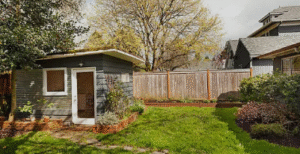
storage shedsSheds Adelaide is tailored to suit the unique environmental and lifestyle needs of South Australians. The region experiences diverse weather conditions, from hot, dry summers to occasional heavy rain and wind. It means your shed must be built tough to withstand the elements without compromising on appearance or functionality.

Reputable Adelaide shed suppliers understand these conditions and offer structures designed for longevity. They also provide customisation options that suit residential, rural, and commercial properties, ensuring each client gets a tailored solution.

Types of Sheds Available in Adelaide

One of the key advantages of buying sheds in Adelaide is the wide variety of styles and materials available. Here are some of the most popular types:

Garden Sheds

Garden sheds are a staple in Adelaide homes. They are perfect for storing garden tools, lawnmowers, and outdoor gear. Although typically compact, they can be customised for larger properties.

Workshop Sheds

Ideal for DIY enthusiasts, tradespeople, or hobbyists, workshop sheds offer ample space for workbenches, power tools, and materials. Many feature additional ventilation and power access.

Storage Sheds

Do you need a secure place to store furniture, bikes, or seasonal items? Storage sheds offer the security and space you need and can be designed to complement your existing structures.

Farm and Rural Sheds

From machinery storage to hay sheds and shearing sheds, Adelaide’s rural community relies on large, purpose-built sheds that handle demanding agricultural tasks.

Industrial and Commercial Sheds

Adelaide businesses benefit from large-scale, custom sheds for manufacturing, warehousing, and logistics operations. These structures are engineered for high performance and efficiency.

Materials and Construction: Built for South Australian Conditions

When purchasing sheds in Adelaide, material selection is crucial for performance and longevity. The most common materials include:

  • Steel Sheds: Known for strength and durability, steel sheds are ideal for areas prone to harsh weather or heavy usage. Galvanised steel, in particular, resists corrosion and requires minimal maintenance.
  • Timber Sheds: While not as common due to maintenance requirements, timber sheds can offer a natural aesthetic and blend beautifully with gardens.
  • Colorbond Sheds: Extremely popular in Adelaide, Colorbond sheds are made from pre-painted steel and available in a variety of colours to match your home or landscape.

Additionally, most high-quality shed builders in Adelaide offer cyclone-rated options and engineered plans to comply with council regulations and Australian standards.

Custom vs Prefabricated Sheds

Both custom-built and prefabricated sheds have their advantages. Understanding your needs will help determine the right choice:

  • Custom Sheds are designed to your exact specifications, including size, layout, colour, and features. They are ideal for properties with unique requirements or design considerations.
  • Prefabricated Sheds: Cost-effective and quicker to install, prefabricated sheds are a convenient solution for general storage and basic needs. Many suppliers in Adelaide offer pre-designed models that are both practical and attractive.

Trusted Shed Suppliers in Adelaide

Choosing a reputable shed supplier is essential. Many companies in Adelaide specialise in supplying and installing quality sheds tailored to South Australian conditions. Look for providers who offer:

  • Australian-made products
  • Warranties and structural guarantees
  • In-house design and engineering support
  • Installation and after-sales service

By partnering with a trusted local provider, you’ll ensure that your investment delivers long-term value and peace of mind.

Conclusion:

Whether you’re a homeowner looking to tidy your backyard or a business owner in need of serious storage, sheds Adelaide offers the perfect combination of practicality, durability, and visual appeal. With a wide variety of styles, materials, and sizes available, there’s a shed to suit every purpose and property in South Australia.

By choosing a high-quality, locally made shed, you’re not only improving your property but also investing in a long-term solution built to withstand the elements. Don’t settle for less—choose a shed built for Adelaide.

Neff Oven: Elevating Your Australian Kitchen with German Precision

Neff ovenWhen it comes to premium kitchen appliances, the Neff oven stands out as a symbol of innovation, performance, and style. For homeowners and chefs alike in Adelaide, investing in a Neff oven is not just about cooking—it’s about transforming the kitchen into a sophisticated culinary space. With cutting-edge technology, intuitive design, and exceptional build quality, Neff ovens have become a preferred choice in Adelaide’s modern homes.


This article explores why the Neff oven is a top-tier appliance in Adelaide, its features, and where to find the best models and service in the region.


Why Choose a Neff Oven?

Neff is a German brand that has redefined what a modern oven can do. Built with precision engineering and sleek European aesthetics, Neff ovens cater to serious cooks and everyday users alike. For Adelaide residents who value quality, durability, and intelligent design, a Neff oven is an ideal investment.


Some of the standout features of Neff ovens include:


  • Slide&Hide® Door: This unique feature allows the oven door to slide under the cavity, giving you unrestricted access to your food. It is perfect for smaller kitchens and seamless operation.
  • CircoTherm® Technology: This exclusive hot air system allows for simultaneous multi-level cooking without flavours intermingling—ideal for busy households or entertaining.
  • Pyrolytic Self-Cleaning: Say goodbye to tedious oven cleaning. Neff ovens with pyrolytic function burn off food residues at high temperatures, leaving only a fine ash to wipe away.
  • FullTouch TFT Display: Intuitive controls with sharp visuals make managing your cooking experience effortless and enjoyable.


These premium features have made Neff ovens a favourite in Adelaide homes where functionality and sophistication are essential.

The Growing Popularity of Neff Ovens in Adelaide

As Adelaide continues to embrace contemporary home design and smart living, the demand for high-end kitchen appliances like the Neff oven is on the rise. Whether renovating an existing space or building a new home, many Adelaide homeowners are turning to Neff for its combination of aesthetic appeal and advanced functionality.


Interior designers and builders in Adelaide often recommend Neff ovens for their seamless integration into modern cabinetry, sleek lines, and consistent performance. This trend reflects a broader movement towards more innovative kitchens—spaces that inspire creativity and simplify daily routines.

Finding the Right Neff Oven in Adelaide

If you’re looking to buy a Neff oven in Adelaide, several premium appliance retailers and kitchen showrooms offer the latest models. Some well-regarded outlets include:


  • Winning Appliances Adelaide
  • Spartan Electrical & Lighting
  • E&S Trading
  • Harvey Norman Commercial


Visiting a local showroom allows you to see the various Neff oven models in person, understand the different functionalities, and get expert advice tailored to your kitchen setup and cooking habits.


Additionally, many Adelaide retailers offer delivery, installation, and after-sales support to ensure a smooth and professional experience.


Choosing the Right Neff Oven Model for Your Needs

Neff offers a range of oven models to suit different kitchen configurations and lifestyles. Whether you’re an avid baker, a busy parent, or someone who loves to entertain, there’s a Neff oven designed for you.

Single Ovens

Ideal for compact spaces or standard kitchens. They often feature Slide&Hide® doors, CircoTherm® cooking, and sleek control panels.

Double Ovens

Perfect for families or those who frequently host gatherings. Double ovens offer flexible cooking options and increased capacity.

Combi Ovens

Combine steam cooking or microwave functions with traditional baking, allowing more versatility and healthier cooking methods.

Built-in Compact Ovens

These ovens are great for smaller kitchens or as an additional oven in a larger setup. Despite their size, they don’t compromise on features or performance.


When selecting a Neff oven in Adelaide, consider your cooking habits, available kitchen space, and preferred features to make the most informed decision. AAG is the number one online retailer for quality appliances such as the Neff oven. Shop now and get the best deals!


Conclusion

A Neff oven in Adelaide is more than just a premium appliance—it’s a lifestyle choice for those who appreciate quality, innovation, and culinary excellence. With features designed to make cooking intuitive, enjoyable, and efficient, Neff ovens continue to lead the market in Adelaide’s modern kitchens.


From selection to installation and ongoing care, Adelaide residents have access to a whole ecosystem of support for their Neff oven purchase. Discover the difference today and bring German precision and innovative design into the heart of your home.


Siemens PLC: A Leader in Industrial Automation

Siemens PLC (Programmable Logic Controller) systems have become a cornerstone in industrial automation worldwide, and New Zealand is no exception. With their advanced technology and reliable performance, Siemens PLCs play a pivotal role in improving efficiency, safety, and overall productivity in a range of industries. Whether you’re in manufacturing, process control, or infrastructure management, Siemens PLC systems offer unparalleled solutions that drive operational success.

In this article, we will explore the various applications, benefits, and opportunities provided by Siemens PLC in New Zealand. For more information about Siemens PLC, click here.

What is Siemens PLC?

Siemens PLC refers to a line of programmable controllers designed to automate industrial processes and machinery. These devices can perform complex control tasks, making them indispensable in industries such as manufacturing, energy, and transport. Siemens PLCS are known for their robustness, scalability, and flexibility, which make them suitable for countless applications, from small-scale operations to large multinational corporations.

Siemens PLC systems offer an array of features, including real-time data processing, high processing speeds, and easy integration with other industrial systems. The Siemens family of PLCs includes different models, like the Siemens S7 series, which are designed to successfully meet the varying needs of the industrial market.

The Importance of Siemens PLC in New Zealand’s Industries

In New Zealand, Siemens PLCs are widely used across multiple sectors, including manufacturing, agriculture, food processing, water treatment, and energy. These industries rely on Siemens PLCs for various reasons, such as enhanced control systems, improved machine reliability, and cost reduction through automation.

Manufacturing and Process Control

Manufacturing processes in New Zealand, especially in sectors like food production, automotive, and consumer goods, require high efficiency and precision. Siemens PLCs streamline operations by automating repetitive tasks, monitoring systems in real-time, and ensuring optimal production rates. For instance, in automated assembly lines, Siemens PLCs control conveyors, robotic arms, and other machinery to improve throughput and reduce downtime.

Energy and Utilities

New Zealand’s energy and utilities sectors strongly rely on Siemens PLC technology to manage and monitor power generation and distribution systems. Siemens PLCs help automate grid systems, ensure seamless power distribution, and manage renewable energy sources like wind and solar. With real-time monitoring and remote control capabilities, these PLC systems assist in maintaining stable energy supplies and ensuring environmental sustainability.

Agriculture and Irrigation

In the agricultural sector, Siemens PLC systems automate irrigation systems, climate control in greenhouses, and even livestock management. PLCs help farmers optimise water usage and environmental conditions for crops, ensuring higher yields while minimising waste. Siemens PLC’s reliable performance in remote and harsh conditions makes it ideal for agricultural automation in New Zealand.

Infrastructure and Transport

Siemens PLC technology is also essential in New Zealand’s transport and infrastructure industries. These PLC systems automate processes like traffic management, railway signalling, and waste treatment plants. By integrating Siemens PLCS into these critical systems, New Zealand ensures smoother transportation, better traffic control, and safer infrastructure management.

Siemens PLC and the Future of Industrial Automation in New Zealand

The role of Siemens PLC in New Zealand’s industrial automation is expected to grow even further in the coming years. As New Zealand businesses continuously embrace digital transformation, the demand for automated control systems that provide real-time data, higher efficiency, and enhanced reliability will only increase.

Siemens is leading the way with advancements in IoT (Internet of Things) and AI (Artificial Intelligence).-enabled PLC systems, which will help businesses gain even deeper insights into their operations.

The Role of Siemens PLC in Industry 4.0

Siemens PLCs are at the forefront of Industry 4.0, a term significantly used to describe the fourth industrial revolution characterised by automation, data exchange, and smart manufacturing. Siemens PLCs enable businesses in New Zealand to integrate their systems with advanced technologies such as cloud computing, big data analytics, and cyber-physical systems.

Conclusion:

Siemens PLCs have cemented their position as a critical technology in New Zealand’s industrial landscape. Their versatility, reliability, and scalability make them the ideal choice for industries looking to optimise processes, increase productivity, and stay completely ahead in an increasingly competitive market. As businesses continue to embrace automation and digital transformation, Siemens PLCs will undoubtedly play a crucial role in shaping the future of industrial automation in New Zealand.

Arborist Adelaide Hills: Professional Arborist Services

When it comes to managing the health, safety, and appearance of your trees, hiring a professional arborist is essential. In the scenic region of Adelaide Hills, SA, trees are a prominent part of the landscape. Whether you’re a homeowner, business, or council representative, working with a certified arborist ensures your trees receive the expert care they deserve while protecting property and people.

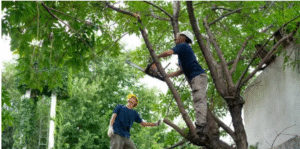
arborist Adelaide HillsIn this article, we explore arborists’ work, the benefits of hiring one in Adelaide Hills, and how to choose the right professional for your tree care needs. For more information about arborist Adelaide Hills, check this out.

Hiring a qualified arborist in Adelaide Hills ensures your trees receive expert care tailored to the local environment. From pruning and removals to health assessments and bushfire risk reduction, arborists provide essential services that protect your property and enhance landscape value. Trust a local arborist for safe, professional tree management solutions.

What Does an Arborist Do?

An arborist is a trained tree care professional who specialises in the cultivation, management, and study of trees, shrubs, and other woody plants. Arborists are equipped to handle tasks ranging from routine maintenance to emergency tree removal. Their expertise includes:

  • Tree pruning and shaping
  • Tree removal and stump grinding
  • Tree health assessments
  • Pest and disease diagnosis
  • Soil management and fertilisation
  • Tree planting and species selection
  • Risk assessments and safety inspections

An arborist’s knowledge of local conditions is especially valuable in the Adelaide Hills, where diverse native and exotic tree species thrive.

Why Hire an Arborist in Adelaide Hills?

The Adelaide Hills region is known for its picturesque landscapes and abundant greenery. However, the unique climate, topography, and bushfire risk require a tailored approach to tree care. Here’s why hiring an arborist in Adelaide Hills is a wise decision:

Tree Health and Longevity

Trees in this region face challenges such as drought, invasive pests, and soil degradation. An experienced arborist can diagnose issues early, apply treatments, and recommend practices that promote long-term tree health.

Bushfire Safety

Adelaide Hills is a bushfire-prone area. A professional arborist can assess tree placements and reduce fire hazards through strategic pruning, clearing, and vegetation management to improve safety around homes and structures.

Property Protection

Large or damaged trees can pose a risk to homes, driveways, fences, and power lines. Arborists conduct detailed risk assessments and provide safe removal or trimming to prevent property damage.

Council Compliance

Local councils often require permits for tree removal, especially if the tree is protected. Arborists in Adelaide Hills are familiar with local regulations and can assist with permit applications and compliance documentation.

Comprehensive Arborist Services Available

Whether you’re maintaining a small garden or managing a large estate, arborists in Adelaide Hills offer a wide range of professional services:

Tree Pruning and Maintenance

Regular pruning enhances a tree’s aesthetic appeal and improves its structure and health. Arborists use industry-standard techniques such as crown thinning, crown reduction, and formative pruning to achieve optimal results.

Tree Removal and Stump Grinding

When a tree becomes hazardous or reaches the end of its lifespan, removal may be necessary. Arborists ensure the process is carried out safely, followed by stump grinding to eliminate trip hazards and make space for new landscaping.

Arborist Reports and Tree Assessments

Need a report for council approval, development planning, or safety analysis? Certified arborists provide detailed reports outlining tree condition, value, risks, and recommendations.

Emergency Tree Services

Storms and high winds can bring down branches or entire trees. Emergency arborist services in Adelaide Hills offer a fast, reliable response to make your property safe and secure again.

Conclusion:

For residents and businesses in Adelaide Hills, partnering with a professional arborist is the key to maintaining safe, healthy, and beautiful trees. From routine pruning to complex removals and emergency response, arborists bring expertise and peace of mind to every job. Whether you’re preserving heritage trees or planning a new landscape, choosing the right arborist ensures your green spaces continue to thrive in the unique environment of Adelaide Hills, SA.

If you’re searching for an experienced arborist in Adelaide Hills, make sure to choose one with a proven track record, proper credentials, and local knowledge. Your trees—and your property—deserve nothing less.